
We are committed to food packaging PVC cling film, PE cling film,stretch wrap, aluminum foil and other disposal food packing film/foil.

Language
>
We are committed to food packaging PVC cling film, PE cling film,stretch wrap, aluminum foil and other disposal food packing film/foil.
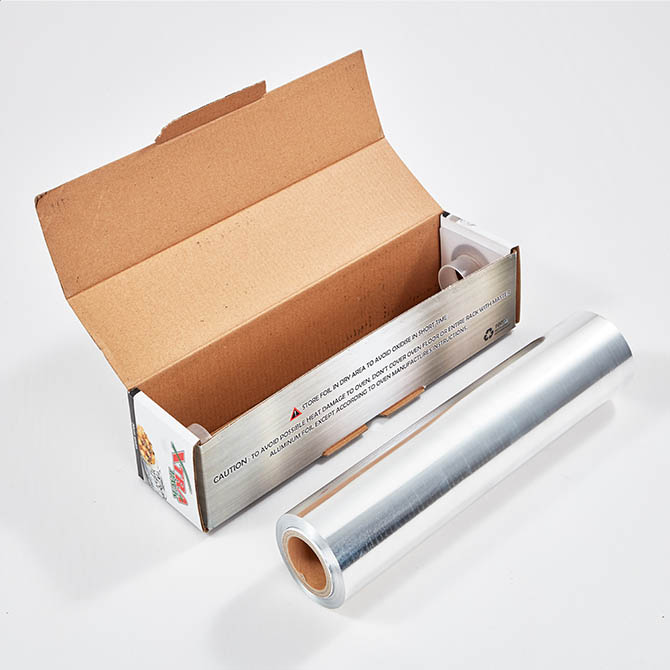
Aluminium foil is a thin sheet of aluminium, typically less than 0.2 mm thick, manufactured through rolling or hammering processes. It has excellent heat resistance, flexibility, and barrier properties, making it ideal for:
Food packaging and storage
Baking and grilling
Pharmaceutical and cosmetic packaging
Industrial applications
Its impermeable nature protects food from moisture, light, and bacteria, which makes it an eco-friendly alternative to some single-use plastics in terms of preservation. However, its environmental impact is more complex than it seems.
A material is considered biodegradable if it can be naturally broken down by microorganisms—such as bacteria and fungi—into water, carbon dioxide, and biomass, without leaving harmful residues.
Aluminium foil is not biodegradable. This is because it is a metal, not an organic material. Microorganisms cannot decompose aluminium, so it does not naturally return to the environment the way organic materials like paper, food waste, or plant-based polymers do.
Aluminium foil can persist in landfills for hundreds of years if not recycled.
Even when it corrodes slowly over decades, it does not fully decompose into harmless natural compounds.
This contrasts sharply with biodegradable materials and some Polyethylene Plastic Wrap alternatives that are designed to break down under specific conditions.
Plastic wraps are often made from polyethylene, including polyethylene plastic wrap, PE Cling Wrap, PE Plastic Wrap, and pe stretch wrap. These materials have their own environmental challenges but differ fundamentally from aluminium foil.
Standard PE plastics are also not biodegradable under normal conditions.
Biodegradable versions of PE cling wrap exist but require industrial composting to break down effectively.
Aluminium foil is highly recyclable. It can be melted and reformed into new products without significant quality loss.
In contrast, pe plastic wrap, pe cling wrap, and pe stretch wrap can be difficult to recycle due to contamination from food residues or their lightweight nature.
Aluminium foil may persist in the environment but is easily separated and collected for recycling.
PE plastics, if littered, can fragment into microplastics and pose a long-term hazard to wildlife.
Despite not being biodegradable, aluminium foil has several eco-friendly attributes:
Aluminium foil can be collected, melted, and reused multiple times without loss of quality. Recycling aluminium saves up to 95% of the energy required to produce primary aluminium from bauxite ore.
Better barrier properties reduce food waste, which is a major contributor to greenhouse gas emissions. For instance, wrapping leftovers in aluminium foil preserves them longer than many pe cling wrap alternatives.
Aluminium foil can be safely used in ovens, grills, and freezers without releasing harmful chemicals, unlike some plastics that may leach chemicals when heated.
Even with recycling, aluminium foil has environmental costs:
High Energy Production: Manufacturing primary aluminium is energy-intensive.
Mining Impact: Extraction of bauxite can lead to deforestation and soil erosion.
Waste in Landfills: When not recycled, aluminium remains in landfills indefinitely.
While polyethylene plastic wrap, pe cling wrap, pe plastic wrap, and pe stretch wrap are lightweight and convenient, they also face environmental scrutiny:
Like aluminium foil, standard PE plastics do not biodegrade easily. They can take hundreds of years to break down in landfills.
Fragmentation of PE plastic wraps leads to microplastics, contaminating soil and water and posing risks to wildlife and humans.
Due to food residue contamination, thin PE plastic films are hard to recycle in conventional facilities. Specialized recycling programs exist but are limited in scope.
PE plastic production consumes less energy than aluminium but relies on petroleum, a non-renewable resource.
Aluminium foil recycling: Can be recycled repeatedly, preserving energy and reducing waste.
PE plastic wrap recycling: Often requires specialized facilities, and contamination can make the process ineffective.
Tip: Always clean aluminium foil and remove food residue before recycling. Similarly, if collecting pe cling wrap for recycling, ensure it is free from food contamination.
Even if materials are not biodegradable, consumers can adopt eco-friendly practices:
Reuse whenever possible
Recycle properly
Use foil-lined paper instead of pure foil for some applications
Limit single-use wraps
Choose compostable or biodegradable PE alternatives
Reuse stretch wrap for storage or packing
Explore eco-friendly substitutes like silicone lids, beeswax wraps, or reusable containers
The packaging industry is shifting towards more sustainable solutions:
Biodegradable PE Plastic Wraps – Designed to decompose in industrial composting facilities.
Aluminium-Foil Alternatives – Paper-based, coated, or laminated for recyclability.
Reusable Silicone and Teflon-Coated Wraps – Reduce waste from both foil and PE plastics.
Hybrid Materials – Combining aluminium foil with biodegradable coatings to improve recyclability and reduce environmental impact.
Despite these innovations, aluminium foil remains a preferred option in high-heat applications due to safety and durability advantages.
In summary, aluminium foil is not biodegradable, but it is highly recyclable and provides excellent food preservation, which can indirectly reduce environmental impact. Comparatively, polyethylene plastic wrap, pe cling wrap, pe plastic wrap, and pe stretch wrap are convenient but often harder to recycle and can contribute to microplastic pollution.
For environmentally conscious consumers and businesses, the key is proper recycling, mindful usage, and exploring alternatives where possible. While neither aluminium foil nor PE plastics are fully biodegradable, both can be part of a more sustainable packaging strategy when used responsibly.
Choosing between aluminium foil and plastic wraps depends on application, convenience, and environmental priorities. By understanding the pros and cons of each, users can make informed decisions that balance performance and sustainability.

We focus on overseas markets and major exports to different countries, selling well in Europe, America, the Middle East, Southeast Asia, etc.
Contact
No. 242 Shangjia Fenxi Road,Wanjiang District, Dongguan city, Guangdong Province ,China
Email:
Phone:
+86 18938161161