
We are committed to food packaging PVC cling film, PE cling film,stretch wrap, aluminum foil and other disposal food packing film/foil.

Language
>
We are committed to food packaging PVC cling film, PE cling film,stretch wrap, aluminum foil and other disposal food packing film/foil.
In modern food packaging and household storage, cling film plays a critical role in preserving freshness, preventing contamination, and improving convenience. Among the different types available on the market, PE cling film has become one of the most widely used and trusted options. This leads many people to ask an important question: what is PE cling film, and how does it differ from other plastic wraps?
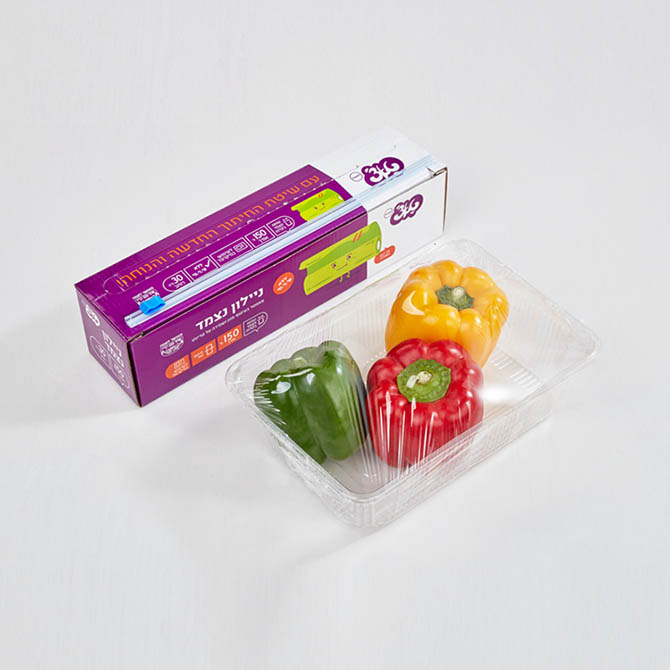
PE cling film is a transparent plastic wrapping material made from polyethylene (PE). It is designed to stretch and cling tightly to food items, containers, and surfaces without the need for adhesives or heat sealing.
Also commonly referred to as PE cling wrap, PE plastic wrap, or PE Food Wrap, this material is valued for its flexibility, clarity, food safety, and cost-effectiveness. PE cling film is widely used in households, supermarkets, restaurants, and food-processing facilities.
Polyethylene (PE) is one of the most commonly produced plastics in the world. It is a thermoplastic polymer derived from ethylene and is widely used due to its durability, chemical resistance, and safety profile.
There are several types of polyethylene, but the most common forms used in PE cling film include:
Low-Density Polyethylene (LDPE)
Linear Low-Density Polyethylene (LLDPE)
These materials provide the ideal balance of stretchability, transparency, and softness required for Food Wrapping applications.
One of the most frequent comparisons is between PE cling film and PVC-based wraps.
PE cling wrap advantages:
PVC-free and plasticizer-free
Odorless and tasteless
Safer for direct food contact
More environmentally friendly
Better accepted in global food safety regulations
Because of these advantages, PE plastic wrap has become the preferred choice in many regions.
PE stretch wrap properties allow the film to extend smoothly over food and containers, creating a tight seal that reduces air exposure.
Despite being adhesive-free, PE cling film naturally clings to itself and smooth surfaces, making it easy to use.
The clarity of PE plastic wrap ensures clear visibility of wrapped food, which is especially important in retail and display environments.
PE food wrap is manufactured to meet food-contact safety standards and is suitable for wrapping fresh produce, meat, cheese, and baked goods.
PE cling film helps reduce moisture loss and limits odor transfer between foods.
In daily home use, PE cling wrap is ideal for:
Covering leftovers
Wrapping fruits and vegetables
Protecting bowls and dishes
Storing sandwiches and snacks
Restaurants and catering businesses rely on PE food wrap for:
Food preparation
Ingredient storage
Hygiene control
Portion protection
In retail settings, PE cling film is commonly used for:
Wrapping fresh meat and seafood
Packaging fruits and vegetables
Tray wrapping for display
While primarily food-focused, PE stretch wrap variants are also used for light-duty packaging and bundling applications.
Unlike some traditional wraps, PE plastic wrap does not require plasticizers to achieve flexibility. This makes it:
BPA-free
Non-toxic
Suitable for direct food contact
Many food processors choose PE cling film specifically because it complies with international food safety regulations.
Although often confused, PE stretch wrap and PE cling film serve different purposes.
Thicker and stronger
Designed for pallet wrapping and logistics
Focuses on load stability
Thinner and softer
Designed for food contact
Focuses on freshness and hygiene
Both are made from polyethylene (PE), but their formulations and applications differ significantly.
Choosing PE cling wrap offers multiple advantages:
Cost-effective packaging solution
Easy handling and application
Reduced food waste
Improved hygiene and shelf life
Versatile across food categories
For both small kitchens and large-scale food operations, PE plastic wrap delivers consistent performance.
Modern polyethylene (PE) products are increasingly designed with sustainability in mind. Key points include:
PE is recyclable in many regions
Reduced thickness technology lowers plastic use
No chlorine content, unlike PVC
When properly recycled, PE cling film can contribute to a more sustainable packaging system.
When selecting PE food wrap, consider the following factors:
Film thickness
Cling strength
Transparency level
Roll length and width
Compliance with food safety standards
For retail and food service, high-clarity PE cling film with strong cling performance is usually preferred.
PE cling film is primarily used for wrapping and protecting food to maintain freshness and hygiene.
Some PE plastic wrap products are microwave-safe, but users should always follow manufacturer guidelines.
Many users prefer PE food wrap because it is plasticizer-free and considered safer for food contact.
Only food-grade PE stretch wrap should be used for food applications. Industrial Stretch Wrap is not suitable for direct food contact.
So, what is PE cling film? It is a flexible, transparent wrapping material made from polyethylene (PE) that offers a safe, effective, and versatile solution for food storage and packaging. Known by many names—PE cling wrap, PE plastic wrap, and PE food wrap—this material has become a preferred alternative to traditional PVC wraps.
With excellent stretchability, strong cling performance, and food-grade safety, PE cling film meets the demands of modern households, food service operations, and retail environments. As sustainability and safety continue to shape packaging trends, polyethylene (PE) cling film remains a reliable and future-ready choice.
Previous: What Is Cling Film Made Of

We focus on overseas markets and major exports to different countries, selling well in Europe, America, the Middle East, Southeast Asia, etc.
Contact
No. 242 Shangjia Fenxi Road,Wanjiang District, Dongguan city, Guangdong Province ,China
Email:
Phone:
+86 18938161161