
We are committed to food packaging PVC cling film, PE cling film,stretch wrap, aluminum foil and other disposal food packing film/foil.

Language
>
We are committed to food packaging PVC cling film, PE cling film,stretch wrap, aluminum foil and other disposal food packing film/foil.
Cling film is one of the most widely used packaging materials in households, restaurants, and food-processing industries worldwide. From preserving leftovers at home to protecting fresh produce during transportation, this transparent film plays a crucial role in modern food storage. Yet many people still ask: what is cling film made of, and how does it safely wrap food while remaining flexible and transparent?
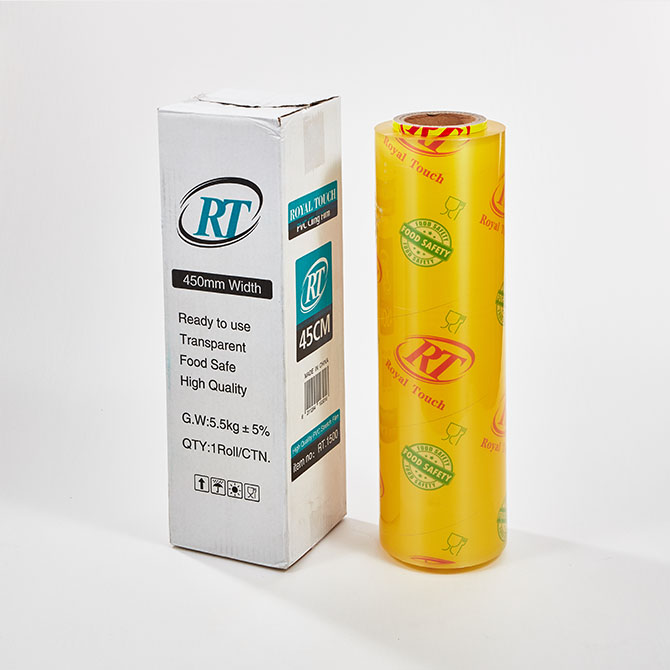
Before discussing materials, it’s important to define what’s cling film. Cling film—also known as plastic wrap or food wrap—is a thin, stretchable plastic film designed to adhere to surfaces such as containers, bowls, and food items without additional adhesives.
Its defining characteristics include:
High transparency
Strong stretchability
Self-adhering (cling) properties
Moisture and air barrier performance
These features make cling film an essential tool for food storage and packaging.
The composition of cling film depends on its type and intended application. Traditionally and commercially, the most common material is PVC (polyvinyl chloride).
Most traditional cling film is made from PVC stretch film, which is valued for its excellent clarity and cling performance. PVC-based films have been widely used in both household and professional food environments for decades.
Common forms include:
PVC cling film for food wrapping
PVC films require plasticizers to achieve softness and flexibility, which also contribute to their strong cling behavior.
PVC remains popular due to several functional advantages:
Exceptional stretchability
High transparency for product visibility
Strong self-cling without adhesives
Excellent sealing performance
Cost-effective production
These benefits explain why PVC food film is widely used in supermarkets, catering services, and food-processing facilities.
Pure PVC is rigid by nature. To transform it into flexible cling film, manufacturers add specific additives.
Plasticizers are essential for making PVC soft and elastic. They:
Improve stretch performance
Enhance cling properties
Prevent cracking
Food-grade plasticizers are strictly regulated for PVC cling film for food wrapping to ensure safety.
Stabilizers protect the film during processing and use by:
Preventing heat degradation
Maintaining transparency
Extending shelf life
Understanding how cling film is made provides insight into its performance and quality.
PVC resin, plasticizers, and stabilizers are blended to form a uniform compound suitable for film extrusion.
The compound is melted and extruded into thin sheets using either:
Cast film extrusion
Blown film extrusion
Cast extrusion is more commonly used for PVC stretch film due to its superior clarity.
The film is rapidly cooled and stretched to achieve:
Uniform thickness
High elasticity
Controlled cling strength
The finished film is cut and wound into different formats such as:
PVC cling film jumbo roll
These rolls are then packaged for retail or industrial use.
Used in kitchens for wrapping leftovers, fruits, and vegetables. It is typically thinner and packaged in small rolls.
Designed for restaurants, supermarkets, and catering services. It offers stronger stretch and durability.
A PVC cling film jumbo roll is used by distributors and large-scale food processors. It allows:
Custom roll sizing
High-volume usage
Reduced packaging waste
One of the most common concerns is whether PVC Cling Wrap is safe for food.
High-quality PVC cling film for food wrapping complies with:
FDA food-contact regulations
EU food safety standards
Migration limit requirements
To ensure safety:
Avoid direct contact with high-fat foods unless specified
Do not use in microwave ovens unless labeled microwave-safe
Store away from heat sources
When used correctly, certified PVC food film is safe and effective.
PVC cling film is durable and effective, but environmental concerns exist due to:
Limited recyclability
Use of plasticizers
Disposal challenges
Many manufacturers are now improving formulations and exploring alternative materials while maintaining the performance advantages of PVC.
| Material | Cling Performance | Transparency | Cost | Common Use |
|---|---|---|---|---|
| PVC | Excellent | High | Moderate | Food wrapping |
| PE | Moderate | Medium | Low | General packaging |
| PVDC | Very High | High | High | Specialty food packaging |
Despite alternatives, PVC plastic wrap remains dominant due to its balance of performance and cost.
Beyond home kitchens, PVC cling film roll products are widely used in:
Supermarkets (fresh meat and produce)
Food processing plants
Catering and hospitality
Cold-chain food transportation
The film’s ability to maintain freshness and reduce contamination makes it indispensable.
When selecting PVC cling film for food wrapping, consider:
Film thickness
Cling strength
Food safety certification
Roll size (standard roll vs jumbo roll)
Intended food type
Professional buyers often prefer PVC cling film jumbo roll formats for efficiency and cost control.
To maintain performance:
Store rolls in a cool, dry place
Avoid direct sunlight
Use compatible dispensers for smooth cutting
Proper storage ensures consistent cling and stretch over time.
So, what is cling film made of? In most cases, it is made from PVC stretch film, enhanced with food-grade plasticizers and stabilizers to deliver excellent transparency, stretchability, and cling performance. From household PVC plastic wrap to industrial PVC cling film jumbo roll solutions, PVC-based cling film continues to be a reliable and efficient packaging material.
By understanding what’s cling film, how it is manufactured, and how PVC food film is safely used, consumers and businesses can make smarter choices that balance convenience, safety, and performance.
Previous: Is Aluminum Foil Safe to Use in an Air Fryer
Next: What Is PE Cling Film

We focus on overseas markets and major exports to different countries, selling well in Europe, America, the Middle East, Southeast Asia, etc.
Contact
No. 242 Shangjia Fenxi Road,Wanjiang District, Dongguan city, Guangdong Province ,China
Email:
Phone:
+86 18938161161