
We are committed to food packaging PVC cling film, PE cling film,stretch wrap, aluminum foil and other disposal food packing film/foil.

Language
>
We are committed to food packaging PVC cling film, PE cling film,stretch wrap, aluminum foil and other disposal food packing film/foil.
When it comes to using aluminium foil in the kitchen, one of the most common questions people have is: Which side of the aluminium foil should I use? The answer might seem simple, but there's more to it than meets the eye. This article will dive deep into the science and practical considerations behind the two sides of aluminium foil, how to use it effectively, and whether it really matters which side you use for cooking, grilling, or baking.
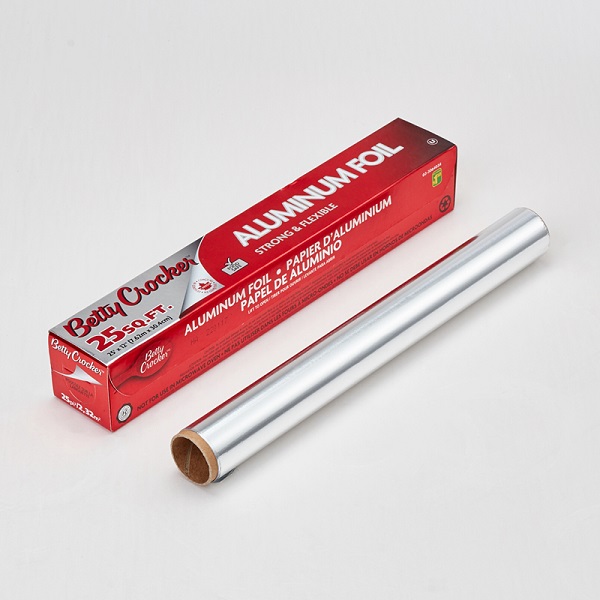
To understand which side of aluminium foil to use, we first need to know what aluminium foil is made of and how it’s produced.
Aluminium foil, often mistaken as actual tin foil, is made from a process of rolling aluminium metal into thin sheets. The process is known as cold rolling, and it’s how foil becomes thin enough to be flexible, allowing it to be used in various applications. The best Aluminum Foil is produced by melting and refining aluminium metal, then rolling it multiple times to reduce its thickness. The end result is a sheet that is around 0.016mm thick and can be used for wrapping food, lining baking trays, and more.
Despite being referred to as tin foil by many, aluminium foil is actually made of pure aluminium, a much more versatile and lighter material than tin. The use of aluminium foil has become common in kitchens worldwide because of its many benefits, including its ability to conduct heat, protect food from moisture and contaminants, and enhance the flavors of grilled or baked foods.
If you’ve ever used aluminium foil, you might have noticed that one side is shiny, while the other side is dull. This is not just a manufacturing quirk but has specific implications for its use.
The difference in appearance is due to the way the foil is made. When the aluminium is rolled, it passes through the final rollers during the manufacturing process. The shiny side is the result of two sheets of foil being rolled together, and the dull side is the side that comes into contact with the rollers. This difference in appearance doesn’t significantly affect the foil’s strength or functionality, but it does have some practical considerations when it comes to cooking.
A long-standing kitchen debate is whether the shiny or dull side of the foil affects the cooking process. Here’s what you need to know:
Reflectivity:
Shiny side: The shiny side of aluminium foil reflects heat, which can help maintain the temperature inside the foil. This can be useful if you're using it to wrap food in the oven, such as a turkey or roast. The shiny side reflects heat away from the food, potentially keeping it a little cooler.
Dull side: The dull side absorbs heat rather than reflecting it. This can cause the food to heat up slightly faster, as the dull side retains heat better.
Practical Use:
While these differences might sound important, the actual impact of which side you use is minimal. For most cooking applications, the difference is negligible. However, some professional chefs and food enthusiasts argue that the shiny side should be used when wrapping or grilling delicate items like fish, and the dull side should be used for more robust foods that need to retain heat.
General Consensus:
Many people, especially those using Aluminium Foil For Grilling or baking, believe that either side works effectively. However, if you’re looking for a precautionary approach or for food that needs precise heat control, it might be useful to place the shiny side facing out for reflective purposes and the dull side facing inward to retain heat.
Let’s explore the various uses of aluminium foil and whether it’s necessary to consider which side is facing out:
When using aluminium foil on the grill, the shiny side is often preferred for aluminium foil turkey or meats that need to retain moisture. The reflectivity helps keep the temperature stable, preventing overcooking. The dull side, on the other hand, can be better for foods that benefit from absorbing more heat, like vegetables or thicker cuts of meat.
When cooking with an air fryer, aluminium foil for air fryer use is common to help with cleanup or to ensure food doesn’t stick. In this case, it doesn’t matter which side you use, as air fryers cook food through hot air circulation, and the foil’s role is more about containment than heat reflection.
For baking, the general recommendation is to use the shiny side of the foil facing outward, especially if you're trying to avoid excessive heat exposure to the food. This is particularly helpful when aluminium foil baking is used to wrap baked goods or dishes like casseroles or lasagnas. The reflective side can help prevent the outer edges from browning too quickly.
In day-to-day kitchen applications, the side of the foil is less of an issue. Aluminium foil for kitchen use is most commonly seen as a protective layer for wrapping foods, lining trays, or even storing leftovers. In these cases, both sides of the foil are equally effective.
Brands like Alu Fresh Foil or Alu Wrap Aluminium Foil offer foil with specific attributes, such as stronger or thicker sheets. These foils are typically used for long-term storage, as they help preserve the freshness of food. For these kinds of foils, it’s still up to personal preference which side you use, though thicker versions are more commonly used with the dull side facing inward.
One of the biggest concerns regarding aluminium foil in the kitchen is its safety and impact on health. Aluminium foil is generally considered safe for cooking and storage when used properly. There are no significant risks associated with using foil to wrap food, cook in the oven, or grill.
However, there have been some debates about aluminium foil good for health when used excessively, especially in high-heat environments like grilling or in the microwave. The concern arises because aluminium can react with acidic foods (like tomatoes), leading to the foil breaking down slightly. However, the amount of aluminium that leaches into food is negligible and is not considered harmful in the amounts typically consumed.
Aluminium foil in microwave oven use is a common question, and the general answer is no — you should not use aluminium foil in a microwave unless it's done with extreme caution. The foil can create sparks and potentially cause a fire. If you need to use foil in the microwave for some reason (such as covering a dish), make sure it’s used sparingly, and avoid letting it touch the sides of the microwave.
In most cases, it doesn’t matter which side of the aluminium foil you use, especially when cooking, baking, or grilling at home. Both the shiny side and dull side serve their purpose, and the difference in performance is usually minimal. However, understanding the slight variations in reflectivity can help if you are looking for specific cooking results, such as retaining moisture or controlling heat exposure.
For general kitchen use, there’s no need to overthink it. Just use the foil as it fits the job, and feel free to use whichever side works for you!
Previous: Is PVC Cling Film Safe

We focus on overseas markets and major exports to different countries, selling well in Europe, America, the Middle East, Southeast Asia, etc.
Contact
No. 242 Shangjia Fenxi Road,Wanjiang District, Dongguan city, Guangdong Province ,China
Email:
Phone:
+86 18938161161