
We are committed to food packaging PVC cling film, PE cling film,stretch wrap, aluminum foil and other disposal food packing film/foil.

Language
>
We are committed to food packaging PVC cling film, PE cling film,stretch wrap, aluminum foil and other disposal food packing film/foil.
Cling film, also known as plastic wrap or food wrap, is a widely used packaging material in homes, restaurants, and food processing industries. It is valued for its transparency, flexibility, and excellent sealing properties. However, a common and important question often arises: is cling film heat resistant?
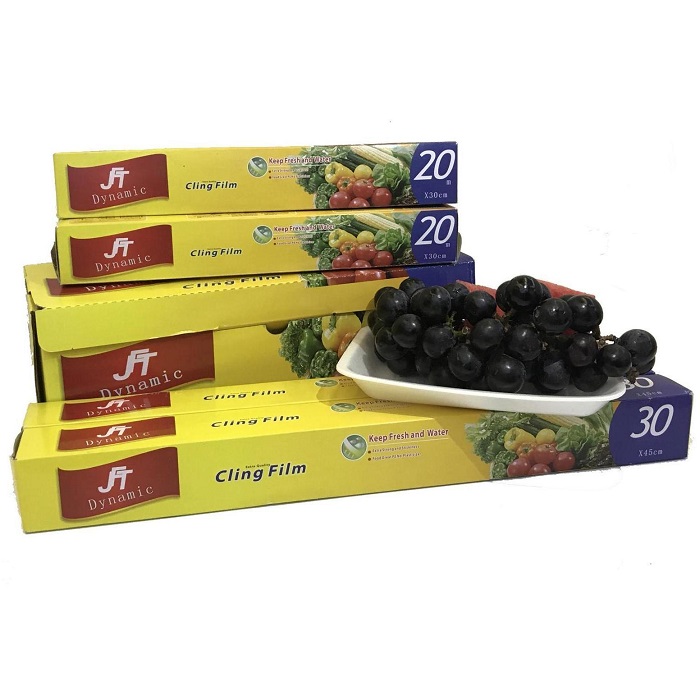
Cling film is a thin, transparent plastic film primarily used to cover and protect food. It clings tightly to surfaces, creating a barrier against air, moisture, and contaminants.
The most common materials used in cling film include:
PVC (polyvinyl chloride) – the most widely used type
Polyethylene (PE)
PVDC (polyvinylidene chloride)
Among these, pvc cling film remains the most popular due to its superior cling performance, clarity, and stretchability.
Commercial formats include:
cling film large roll
pvc cling film roll
large cling film roll
big cling film roll
Cling film is NOT fully heat resistant and should not be exposed to high temperatures.
Most cling film products are designed for cold and room-temperature applications, not for cooking or direct heat exposure.
PVC cling film softens at approximately 80–100°C (176–212°F)
Melting or deformation can occur at higher temperatures
Direct contact with heating elements or flames is unsafe
Therefore, cling film should never be used as a substitute for aluminum foil or baking paper in high-heat cooking.
PVC cling film is the most common type used in food packaging, especially in catering and food service industries.
Softens when exposed to steam or hot food
May shrink or lose cling properties under heat
Can release plasticizers if overheated
While pvc cling film is food-grade and safe for normal use, it is not intended for baking, grilling, or roasting.
This is one of the most misunderstood topics.
Some pvc food film products are labeled as “microwave-safe,” but this does not mean they are heat resistant in the traditional sense.
Safe microwave practices include:
Using cling film only for short reheating
Ensuring the film does not touch the food
Leaving a small vent for steam release
Using low or medium microwave power
A big roll of plastic wrap without microwave-safe labeling should never be used in a microwave.
There are several reasons why cling film lacks high heat resistance:
Low melting point of PVC materials
Presence of plasticizers to improve flexibility
Risk of film melting onto food or containers
Potential chemical migration at high temperatures
Compared with materials like aluminum foil or silicone covers, cling film is strictly a low-temperature solution.
Many users confuse pvc stretch film with cling film, but they are designed for different purposes.
| Feature | Cling Film | PVC Stretch Film |
|---|---|---|
| Primary use | Food covering | Pallet wrapping |
| Food-safe | Yes (food-grade) | Usually no |
| Heat resistance | Low | Very low |
| Common format | pvc cling film jumbo roll | Industrial rolls |
Although visually similar, pvc stretch film is not suitable for food contact or heat exposure.
In professional kitchens and catering environments, cling film large roll products are commonly used.
Covering prepared food
Wrapping ingredients for refrigeration
Sealing containers
Temporary food protection
Large formats such as pvc cling film jumbo roll, big cling film roll, and large cling film roll are chosen for efficiency and cost-effectiveness.
PVC plastic wrap can be used to cover food that is warm but not hot.
Recommended practice:
Allow food to cool slightly before wrapping
Avoid direct contact with steaming food
Do not wrap immediately after cooking
Directly wrapping boiling or freshly cooked food increases the risk of film deformation and chemical transfer.
Large rolls of saran wrap are typically used in food service and catering operations.
While high-quality brands may offer improved durability, they still do not qualify as heat-resistant materials.
They are suitable for:
Cold storage
Short-term food covering
Refrigeration and display
They are not suitable for ovens, grills, or high-temperature steaming.
To ensure safety and performance, follow these guidelines:
Use cling film only for cold or room-temperature food
Avoid direct heat or hot surfaces
Check labeling for microwave compatibility
Choose certified pvc food film
Store rolls away from heat sources
Whether using a big cling film roll or a household roll, proper usage is essential.
If heat resistance is required, consider the following alternatives:
| Material | Heat Resistance |
|---|---|
| Aluminum foil | High |
| Baking parchment | Medium–high |
| Silicone lids | High |
| Glass containers | Very high |
These materials are better suited for cooking, baking, and reheating.
When selecting cling film, especially in bulk formats like cling wrap big roll or pvc cling film roll, consider:
Food-grade certification
Thickness and stretchability
Intended temperature range
Brand reputation
Professional kitchens often prefer thicker pvc cling film jumbo roll products for reliability and hygiene.
To conclude:
Cling film is not heat resistant
PVC cling film softens and deforms under high temperatures
It is suitable for cold storage and light reheating only
Large formats like large cling film roll, big roll of plastic wrap, and large rolls of saran wrap improve efficiency but not heat tolerance
For high-heat applications, alternative materials should be used
Used correctly, cling film remains an essential and safe tool in modern food storage and preparation, but it must never be mistaken for a heat-resistant cooking material.

We focus on overseas markets and major exports to different countries, selling well in Europe, America, the Middle East, Southeast Asia, etc.
Contact
No. 242 Shangjia Fenxi Road,Wanjiang District, Dongguan city, Guangdong Province ,China
Email:
Phone:
+86 18938161161