
We are committed to food packaging PVC cling film, PE cling film,stretch wrap, aluminum foil and other disposal food packing film/foil.

Language
>
We are committed to food packaging PVC cling film, PE cling film,stretch wrap, aluminum foil and other disposal food packing film/foil.
A Complete Guide to Aluminium Foil Safety, Uses, and Best Practices
Aluminium foil is one of the most widely used kitchen and food-service materials in the world. From home cooking and baking to commercial catering and food packaging, aluminium foil plays a critical role in food preparation, storage, and transportation. However, many consumers and professionals still ask an important question: is it safe to wrap food in aluminium foil?
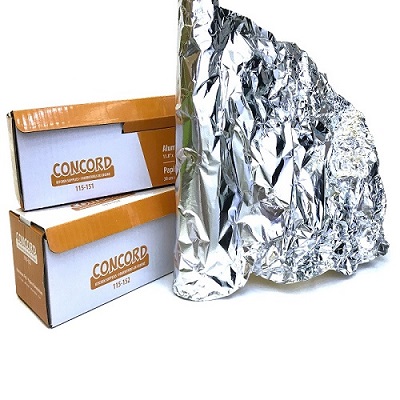
In this comprehensive guide, we explore how aluminium foil is made, when it is safe to use, potential health concerns, and best practices for cooking and food storage. We will also discuss common foil products such as Reynolds Aluminum Foil, Alcan aluminum foil, Glad aluminum foil, Catering Tin Foil, wide aluminum foil, and modern packaging formats like the aluminium foil pouch.
To understand safety, it helps to start with the basics. What is aluminium foil made out of?
Aluminium foil is produced from aluminium ore (bauxite), which is refined into alumina and then smelted into pure aluminium metal. This metal is rolled into extremely thin sheets, typically between 0.006 mm and 0.2 mm thick.
Key characteristics of aluminium foil:
Lightweight yet strong
Non-toxic and odorless
Impermeable to light, oxygen, and moisture
Excellent heat conductor
Because aluminium is a naturally occurring element and the foil contains no added plasticizers or chemical coatings (unless laminated), Alu Foil is widely approved for food contact by international food safety authorities.
Aluminium foil is used globally because it offers a unique combination of safety, convenience, and performance.
Common advantages include:
Protects food from air and moisture
Preserves flavor and freshness
Withstands high cooking temperatures
Easily shaped around food
From household brands like Reynolds aluminum foil and Glad aluminum foil to professional-grade catering tin foil, aluminium foil has become a standard material in kitchens worldwide.
For most everyday uses, wrapping food in aluminium foil is considered safe. Food-grade aluminium foil complies with FDA, EFSA, and other international food-contact regulations.
However, safety depends on how and when the foil is used.
Aluminium foil is safest when:
Used for dry or neutral foods
Used for short- to medium-term storage
Used at appropriate cooking temperatures
Issues may arise when foil is misused, especially with acidic or salty foods.
A common concern is: is it safe to cook in aluminium foil?
Aluminium foil is widely used for:
Baking
Roasting
Grilling
Steaming
High-quality foils such as Alcan aluminum foil and Reynolds aluminum foil are designed to withstand oven and grill temperatures without melting (aluminium melts at ~660°C / 1220°F, far higher than typical cooking temperatures).
While cooking in aluminium foil is generally safe, some conditions can increase aluminium transfer into food:
Highly acidic foods (tomatoes, citrus, vinegar)
Salty or spicy marinades
Long cooking times at high heat
In these cases, aluminium ions can migrate into the food, although studies show that for most people, exposure remains below harmful limits.
Aluminium is naturally present in food, water, and even air. The human body can handle small amounts without issue.
Research indicates:
Aluminium migration increases with acidity and salt
Heat accelerates migration
The majority of aluminium is excreted by healthy kidneys
For the average consumer, normal use of aluminium foil does not pose a health risk.
To minimize migration:
Avoid wrapping acidic foods directly in foil for long periods
Use parchment paper between food and foil when baking
Do not store acidic leftovers in foil
Wrapping food in aluminium foil is common for leftovers and meal prep.
Bread and baked goods
Cheese (short-term)
Cooked meats
Sandwiches
Citrus fruits
Tomato-based dishes
Pickled foods
For longer storage, consider combining foil with containers or using an aluminium foil pouch with a food-safe inner layer.
An aluminium foil pouch is a multilayer packaging format that combines alu foil with plastic or paper layers. These pouches are widely used for:
Ready meals
Coffee and tea
Sauces and condiments
Baby food
Because the food does not directly contact raw aluminium, foil pouches offer:
Enhanced safety
Longer shelf life
Excellent barrier protection
This makes aluminium foil pouches a preferred option in commercial food packaging.
Brands like Glad aluminum foil and Reynolds aluminum foil are designed for everyday cooking and storage.
Catering tin foil and wide aluminum foil are thicker and stronger, ideal for:
Large trays
Bulk food preparation
Professional kitchens
These foils are engineered for durability and repeated high-temperature use.
Wide aluminum foil is commonly used in:
Catering operations
Bakeries
Restaurants
Food production lines
Its larger width allows full coverage of trays and reduces seams, improving food safety and heat distribution.
Yes, but with precautions.
Safe grilling tips:
Use heavy-duty alu foil
Avoid direct contact with flames
Do not reuse foil excessively
Avoid acidic marinades on foil
Using foil on the grill helps retain moisture and prevents food from sticking or burning.
High-quality brands such as:
Reynolds aluminum foil
Alcan aluminum foil
Glad aluminum foil
meet strict food-contact standards and offer consistent thickness, reducing tearing and potential contamination.
For professional kitchens, reputable catering-grade foil is recommended.
Aluminium foil is:
100% recyclable
Lightweight, reducing transport emissions
Durable, reducing food waste
From a health perspective, responsible use ensures safety while benefiting food preservation and sustainability.
❌ “Aluminium foil causes serious illness”
→ No scientific evidence supports this claim for normal use.
❌ “Foil should never touch food”
→ Direct contact is safe for most foods.
❌ “All aluminium foil is the same”
→ Thickness, quality, and intended use vary significantly.
Use food-grade foil only
Avoid long-term storage of acidic foods
Do not microwave foil
Use parchment paper as a barrier when needed
Choose trusted brands and suppliers
Following these practices ensures aluminium foil remains a safe and effective kitchen tool.
Q1: Is it safe to wrap hot food in aluminium foil?
Yes, as long as the food is not highly acidic and the foil is food-grade.
Q2: Can aluminium foil be reused?
It can be reused if clean and intact, but single-use is recommended for food safety.
Q3: Are aluminium foil pouches safer than plain foil?
Yes, because they include protective inner layers.
So, is it safe to wrap food in aluminium foil?
The answer is yes, when used correctly and responsibly.
Understanding what aluminium foil is made out of, knowing when it is safe to cook in aluminium foil, and choosing quality products such as Reynolds aluminum foil, Alcan aluminum foil, Glad aluminum foil, or professional catering tin foil ensures both food safety and cooking performance.
Whether used at home, in restaurants, or in food packaging applications like the aluminium foil pouch, alu foil remains one of the most practical and trusted materials in the global food industry.
Previous: Can You Put Cling Film in a Microwave

We focus on overseas markets and major exports to different countries, selling well in Europe, America, the Middle East, Southeast Asia, etc.
Contact
No. 242 Shangjia Fenxi Road,Wanjiang District, Dongguan city, Guangdong Province ,China
Email:
Phone:
+86 18938161161