
We are committed to food packaging PVC cling film, PE cling film,stretch wrap, aluminum foil and other disposal food packing film/foil.

Language
>
We are committed to food packaging PVC cling film, PE cling film,stretch wrap, aluminum foil and other disposal food packing film/foil.
Cling film is one of the most commonly used kitchen products worldwide. From covering leftovers to wrapping fresh food, it plays an essential role in both household kitchens and commercial food service operations. However, a very common and important question remains: can you put cling film in a microwave?
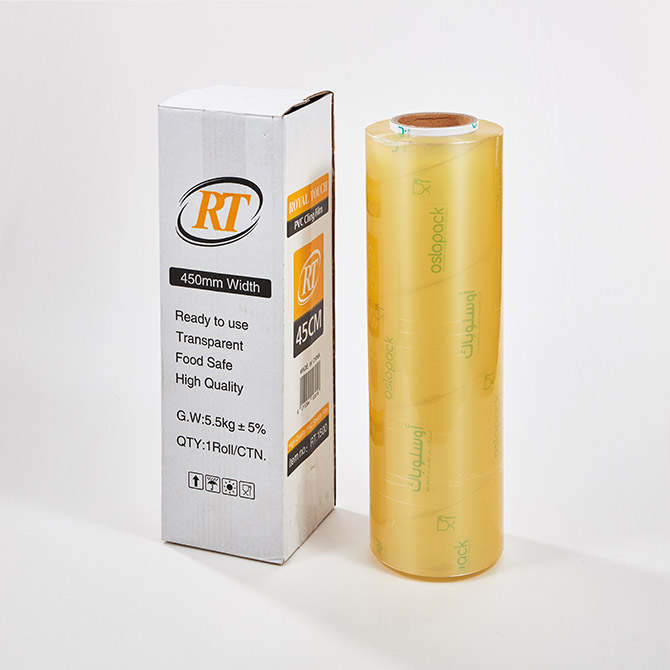
The short answer is: sometimes yes, but only under specific conditions. The safety of microwaving cling film depends largely on what the cling film is made of, how it is used, and whether it is designed for food contact and heat exposure.
In this comprehensive guide, we’ll explain how cling film works, what materials are used to make it, the difference between standard and microwave-safe products, and how to use PVC cling film for food wrapping safely in microwave applications.
Cling film, also known as plastic wrap, is a thin, flexible plastic film designed to cling tightly to surfaces such as bowls, plates, and food items. Its primary purpose is to protect food from air exposure, moisture loss, and contamination.
Cling film is widely used in:
Home kitchens
Restaurants and catering services
Food packaging and storage
Supermarkets and fresh food displays
Products such as cling roll wrap, PVC Cling Film Roll, and pvc cling film jumbo roll are available to suit different usage volumes and environments.
Understanding what is cling film made of is essential to determining whether it can be safely used in a microwave.
Historically and commercially, cling film is made from several types of plastic:
PVC (Polyvinyl Chloride) – most common worldwide
PE (Polyethylene) – often labeled microwave-safe
PVDC (less common today)
Among these, PVC cling film, also referred to as PVC Plastic Wrap or PVC Cling Wrap, is widely used due to its excellent cling properties, transparency, and cost-effectiveness.
However, PVC requires plasticizers to make it flexible, which introduces important safety considerations when heating.
Yes, you can put cling film in a microwave, but only if:
It is clearly labeled as microwave-safe
It does NOT touch the food directly
It is used at low to medium heating levels
Not all cling film products are suitable for microwave use.
When plastic materials are heated, they can soften, melt, or release chemical compounds. This risk depends on:
Film material
Temperature
Contact with food
Heating duration
With PVC cling film, the primary concern is the migration of plasticizers into food when exposed to high heat or direct contact with oily or fatty foods.
PVC cling film for food wrapping is widely used in households and professional kitchens, but it must be used correctly in microwaves.
The film should not touch the food
Leave space for steam to escape
Use only for reheating, not cooking
Avoid high-fat or oily foods
When these rules are followed, approved PVC cling film products meet international food safety standards.
Not all plastic wraps are the same.
Excellent stretch and cling
High clarity
Widely used in catering
Requires careful microwave use
Often labeled “microwave-safe”
Less cling strength
No plasticizers
More heat-resistant
Always check the product label before microwaving.
If you decide to microwave food using cling film, follow these steps:
Place food in a microwave-safe container
Cover loosely with cling film
Ensure the film does NOT touch the food
Pierce or vent the film to release steam
Use low or medium power settings
Remove carefully after heating
These practices significantly reduce the risk of chemical migration or melting.
In professional kitchens, pvc cling film jumbo roll products are commonly used for speed and efficiency.
Advantages include:
Large coverage area
Reduced changeover time
Cost efficiency
Consistent wrapping performance
However, commercial users must ensure that cling film used for reheating is compliant with local food safety regulations.
The thickness of a pvc cling film roll plays an important role in microwave safety.
Thicker films resist tearing and deformation
Thin films heat faster and may warp
Professional-grade cling roll wrap offers better performance
Choosing the right thickness improves both safety and usability.
This is one of the most important rules.
❌ Cling film should NOT touch food when microwaving, especially:
Fatty foods
Oily sauces
High-sugar content items
Direct contact increases the risk of chemical transfer from the film into the food.
Yes. PVC cling film for food wrapping is approved for food contact and widely used globally.
It is safe for:
Refrigeration
Room temperature storage
Short-term food covering
The key is understanding its limitations under heat.
❌ “All cling film melts in the microwave”
→ Not true when used correctly.
❌ “PVC Cling Wrap is always unsafe”
→ Approved PVC films are safe within guidelines.
❌ “If it says food-grade, it’s microwave-safe”
→ Food-grade does not automatically mean microwave-safe.
PVC cling film:
Helps reduce food waste
Is lightweight and efficient
Must be disposed of properly
From a health perspective, safe use practices minimize any potential risk.
When selecting a product, look for:
Clear labeling
Compliance with FDA or EU food-contact standards
Intended temperature range
Material type (PVC vs PE)
Professional suppliers often provide detailed specifications for pvc cling film roll and jumbo roll products.
Q1: Can I microwave cling film every day?
Yes, if it is microwave-safe and used correctly.
Q2: Is PVC cling wrap worse than PE wrap?
Not worse—just different. PVC requires more care when heating.
Q3: Can cling film replace a microwave lid?
Only temporarily and with proper venting.
So, can you put cling film in a microwave?
The answer is yes—but only when used correctly and with the right type of cling film.
Understanding what cling film is made of, especially the differences between PVC cling film, pvc plastic wrap, and other materials, is essential for safe use. Products such as cling roll wrap, pvc cling film for food wrapping, and pvc cling film jumbo roll are safe for everyday food storage and reheating when used according to guidelines.
By avoiding direct food contact, using moderate heat, and choosing approved products, cling film remains a convenient and safe tool in both home kitchens and professional food service environments.

We focus on overseas markets and major exports to different countries, selling well in Europe, America, the Middle East, Southeast Asia, etc.
Contact
No. 242 Shangjia Fenxi Road,Wanjiang District, Dongguan city, Guangdong Province ,China
Email:
Phone:
+86 18938161161