
We are committed to food packaging PVC cling film, PE cling film,stretch wrap, aluminum foil and other disposal food packing film/foil.

Language
>
We are committed to food packaging PVC cling film, PE cling film,stretch wrap, aluminum foil and other disposal food packing film/foil.
Plastic wrapping materials are widely used in kitchens, food packaging, and even industrial applications. Many people often ask the question: Is Saran Wrap the same as plastic wrap? The confusion is understandable because the terms are often used interchangeably in everyday language. However, there are some important differences between brand names, materials, and types of wrapping films.
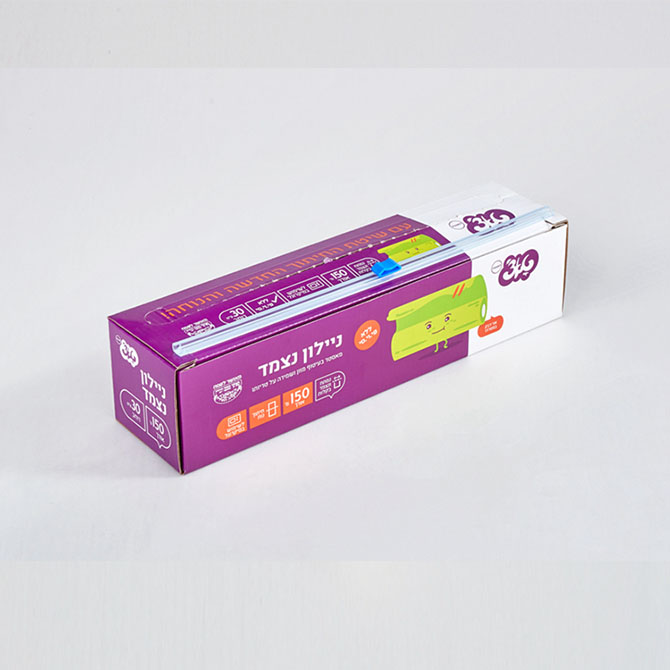
In this article, we will explore what plastic wrap really is, how products like Saran Wrap and glad wrap fit into the category, and how other materials such as PE Cling Film, pvc shrink wrap, and biodegradable shrink wrap are used in different applications. We will also discuss special products like plastic wrap with slide cutter, glad freezer wrap, and even uses like plastic wrap for furniture.
Plastic wrap is a thin, flexible plastic film commonly used for sealing and protecting food. It adheres tightly to surfaces, helping keep air out and moisture in. This property makes it ideal for preserving food freshness and preventing contamination.
Most plastic wraps are made from either:
Polyethylene (PE)
Polyvinyl chloride (PVC)
These materials create a flexible film that sticks to containers, plates, or food items.
In many households, Cling Film Wrap is considered an essential kitchen item for food storage and meal preparation.
Saran Wrap is actually a brand name rather than a generic product type. The brand was originally developed by the Dow Chemical Company in the 1940s. Over time, the brand became so popular that many people began using “Saran Wrap” to describe any plastic wrap product.
However, the formula used in Saran Wrap has changed over the years. Earlier versions used PVC shrink wrap, while modern versions often use polyethylene for safety and environmental reasons.
Because of this branding history, people often ask whether Saran Wrap and cling film wrap are the same thing. Technically, Saran Wrap is simply one brand within the larger category of plastic wraps.
Besides Saran Wrap, several well-known brands produce similar products.
Glad wrap is another popular brand of kitchen plastic film. It works similarly to other cling films but often includes special features such as stronger cling properties or improved stretch.
Some versions of glad wrap also include packaging innovations like plastic wrap with slide cutter, which allows users to cut the film more easily and safely.
Glad freezer wrap is designed specifically for long-term freezer storage. It is thicker than regular plastic wrap and helps prevent freezer burn by sealing food more effectively.
This type of wrap is commonly used for:
Meat storage
Frozen vegetables
Prepared meals
Bulk food preservation
Because of its durability, glad freezer wrap is particularly useful in households that frequently freeze food.
Different plastic wraps are manufactured using different materials, which influence their performance and applications.
PE cling film is one of the most common materials used in Food Wrapping today. It is made from polyethylene, which is considered safer and more environmentally friendly than older PVC films.
Advantages of pe cling film include:
Good flexibility
Safe food contact
Lower environmental impact
Clear transparency
Many restaurants and food packaging companies prefer pe cling film because it meets modern food safety standards.
PVC shrink wrap is a plastic film that shrinks tightly around an object when heat is applied. While it can be used for food packaging, it is more commonly used in retail packaging and industrial applications.
Examples include:
Product packaging
Electronics protection
Sealed retail goods
Industrial bundling
Compared with standard plastic wrap, pvc shrink wrap provides a tighter seal but requires heat equipment to activate.
As environmental awareness grows, many companies are developing biodegradable shrink wrap as an alternative to traditional plastics.
These materials are designed to break down more easily in natural environments, reducing long-term plastic pollution.
Benefits of biodegradable shrink wrap include:
Reduced environmental impact
Improved sustainability
Lower landfill waste
Although still developing in the market, biodegradable packaging is becoming increasingly popular.
Modern manufacturers have added several innovations to make plastic wrap easier to use and more convenient.
One of the most practical improvements is plastic wrap with slide cutter packaging.
Instead of tearing the film using a serrated edge, users simply slide a built-in cutter across the box to create a clean cut.
Benefits include:
Safer cutting
Less tearing
Faster dispensing
More precise film length
This feature is especially useful in busy kitchens or food service environments.
Many brands have improved the adhesive properties of cling film wrap so it sticks more effectively to glass, plastic, and metal surfaces.
This reduces the need for multiple layers and improves food preservation.
Although most people associate plastic wrap with food storage, it has many other practical uses.
During moving or storage, plastic wrap for furniture is often used to protect items from dust, scratches, and moisture.
Movers commonly wrap:
Sofas
Chairs
Mattresses
Wooden furniture
Using plastic wrap helps hold drawers and cushions in place during transportation.
Plastic wrap can also help with:
Preventing spills in travel containers
Sealing paint cans
Protecting surfaces during DIY projects
These creative uses demonstrate the versatility of cling film wrap.
Plastic wrap remains popular because it offers several advantages.
By sealing out air, plastic wrap helps keep food fresh longer.
It is easy to apply, remove, and store.
Clear film allows users to see food without opening containers.
Plastic wrap can stretch around irregular shapes.
Despite its convenience, plastic wrap has raised environmental concerns due to its disposable nature.
Single-use plastics contribute to pollution and landfill waste. As a result, alternatives such as biodegradable shrink wrap and reusable food covers are becoming more common.
Consumers are increasingly encouraged to:
Recycle packaging when possible
Choose eco-friendly materials
Reduce unnecessary plastic use
Manufacturers are also working to create more sustainable versions of pe cling film and other wraps.
Selecting the best wrap depends on your needs.
Standard pe cling film or glad wrap works well.
Glad freezer wrap offers better protection against freezer burn.
PVC shrink wrap provides tight sealing.
Biodegradable shrink wrap is a more sustainable option.
Choose plastic wrap with slide cutter for convenience.
To summarize the original question: Is Saran Wrap the same as plastic wrap?
The answer is both yes and no.
Yes, because Saran Wrap is a type of plastic wrap used for food storage.
No, because it is actually a brand name, not the generic product category.
Just as people may refer to tissues as “Kleenex,” many people refer to any cling film wrap as Saran Wrap, even when it is another brand such as glad wrap.
The packaging industry continues to evolve with new materials and technologies.
Future developments may include:
More biodegradable shrink wrap products
Improved recyclable plastics
Reusable food wrapping materials
Enhanced food preservation technology
These innovations aim to balance convenience with environmental responsibility.
While many people use the term interchangeably, Saran Wrap is simply a brand name within the broader category of plastic wrap. Products like glad wrap, pe cling film, and cling film wrap serve the same basic purpose of sealing and protecting food.
Different types of wrapping materials—including pvc shrink wrap, biodegradable shrink wrap, and glad freezer wrap—offer specialized functions for packaging, freezing, and industrial applications. Additional features such as plastic wrap with slide cutter make modern wraps more convenient to use, while versatile applications like plastic wrap for furniture show how useful these films can be beyond the kitchen.
As technology advances and environmental concerns grow, the future of plastic wrapping materials will likely focus on sustainability while maintaining the convenience and effectiveness that have made plastic wrap such an essential everyday product.

We focus on overseas markets and major exports to different countries, selling well in Europe, America, the Middle East, Southeast Asia, etc.
Contact
No. 242 Shangjia Fenxi Road,Wanjiang District, Dongguan city, Guangdong Province ,China
Email:
Phone:
+86 18938161161