
We are committed to food packaging PVC cling film, PE cling film,stretch wrap, aluminum foil and other disposal food packing film/foil.

Language
>
We are committed to food packaging PVC cling film, PE cling film,stretch wrap, aluminum foil and other disposal food packing film/foil.
Plastic wrap is one of the most commonly used kitchen tools for food storage and preservation. Many households use Plastic Cling Wrap to cover leftovers, seal containers, and keep food fresh in refrigerators or freezers. However, when it comes to reheating food, many people ask an important question: Is plastic wrap microwave safe?
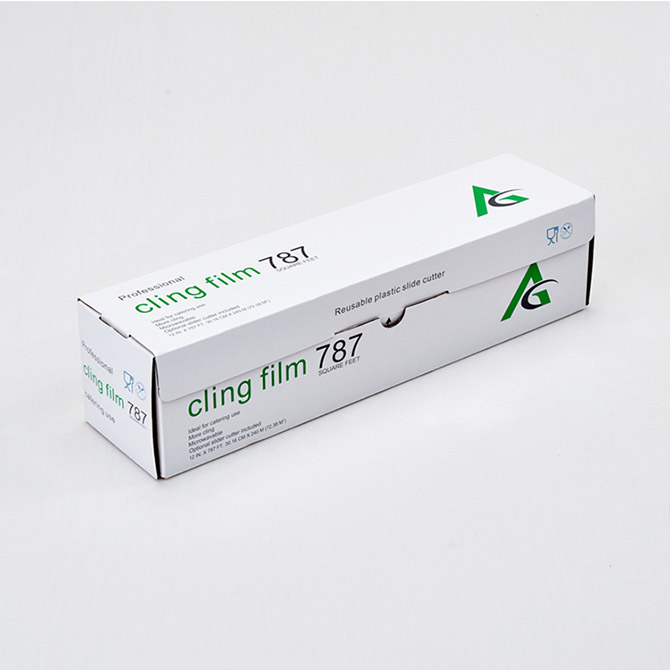
The answer depends on the type of wrap, the material used, and how it is applied during heating. Various food films such as pvc cling film, biodegradable cling film, and other forms of Plastic Cling Wrap have different heat resistance properties. Understanding how these materials behave in a microwave environment is essential for safe food preparation.
This article explains how microwave-safe wrap works, the materials used in cling film products, safety precautions when heating food, and how to choose the right wrap for microwave use.
Plastic cling wrap is a thin plastic film designed to seal food containers and preserve freshness. It sticks tightly to surfaces such as glass bowls, ceramic dishes, or plastic containers, creating a protective barrier that prevents air exposure and moisture loss.
Common uses of cling film include:
Covering leftovers in the refrigerator
Wrapping fresh food items
Protecting prepared meals before storage
Preventing spills during transportation
In addition to household kitchens, commercial Saran Wrap-type products (industrial Food Wrapping films) are widely used in restaurants, catering services, and food packaging facilities.
The safety of plastic wrap in microwave heating largely depends on the material used in its production. Different materials offer varying levels of flexibility, cling strength, and heat resistance.
PVC cling film is one of the traditional materials used for food wrapping. PVC (polyvinyl chloride) creates a highly flexible and transparent film that adheres well to containers.
Advantages of pvc cling film include:
Strong cling properties
Excellent transparency
Effective moisture retention
Flexible structure
Because of its excellent sealing ability, pvc cling film is widely used in supermarkets and food service industries to wrap fresh produce, meat, and prepared foods.
However, some manufacturers have gradually shifted toward alternative materials due to environmental concerns and evolving food safety standards.
Many modern types of plastic cling wrap are made from polyethylene (PE). This material produces a slightly less sticky film compared to PVC but offers improved safety characteristics for food contact and heating.
Polyethylene wraps are often considered more suitable for microwave use because they are less likely to release unwanted substances when exposed to heat.
These wraps are commonly used in both household kitchens and large-scale food packaging operations.
As concerns about plastic pollution increase, manufacturers have begun producing biodegradable cling film made from plant-based materials or compostable polymers.
Benefits of biodegradable cling film include:
Reduced environmental impact
Improved sustainability
Potential compostability under proper conditions
While these wraps offer environmental advantages, not all biodegradable materials are designed for microwave heating. It is important to verify heat resistance before using them for reheating food.
Many types of plastic cling wrap are designed to be microwave safe, but correct usage is important. When used improperly, plastic wrap can melt, warp, or stick to food.
The key factors determining microwave safety include:
Temperature of the food being heated
Type of plastic film used
Distance between the wrap and the food
Duration of microwave exposure
When used according to recommended guidelines, microwave-safe plastic wrap can effectively cover food during reheating.
To safely heat food while using plastic cling wrap, follow these best practices.
Do not seal the wrap tightly around the container. Leaving a small opening allows steam to escape and prevents pressure buildup.
The wrap should not touch the surface of hot food, especially foods with high fat or sugar content. These foods can reach higher temperatures and cause the film to soften.
Always combine plastic cling wrap with containers specifically designed for microwave heating. Glass or ceramic containers are generally the safest options.
Heating food in shorter intervals reduces the risk of overheating and helps maintain the integrity of the wrap.
When used correctly, plastic wrap offers several practical benefits in microwave cooking.
Covering food with plastic cling wrap traps steam inside the container, helping prevent food from drying out during heating.
Food covered with wrap tends to heat more evenly because steam circulates within the container.
Plastic wrap acts as a barrier that prevents splattering, keeping the microwave cleaner.
In addition to household use, food wrapping films are widely used in commercial environments.
Commercial saran wrap-type films are typically supplied in large rolls and designed for high-volume food preparation. Restaurants, catering companies, and food processing facilities use these films to protect ingredients, cover trays, and maintain hygiene.
These commercial wraps often feature stronger durability and greater film width compared with household wraps.
Disposable plastic products have raised environmental concerns due to their contribution to landfill waste and ocean pollution.
Traditional plastic cling wrap is difficult to recycle because it is thin and flexible. As a result, many manufacturers are developing environmentally friendly alternatives such as biodegradable cling film.
Consumers can reduce environmental impact by:
Using biodegradable alternatives
Limiting single-use plastic consumption
Exploring reusable food covers
These steps help balance convenience with sustainability.
Although plastic wrap remains convenient, several alternatives can also be used for covering food in the microwave.
Reusable microwave lids allow steam to escape while preventing splatter.
Flexible silicone lids can stretch over containers and withstand high temperatures.
Cloth-based wraps coated with natural wax are becoming increasingly popular as eco-friendly food storage solutions.
These alternatives can reduce the need for disposable plastic cling wrap while still protecting food during reheating.
When selecting a food wrap, several factors should be considered:
Heat resistance
Material safety
Environmental impact
Cling strength
Intended use (microwave, refrigerator, or freezer)
For everyday kitchen use, standard plastic cling wrap made from polyethylene is often sufficient. For stronger adhesion and commercial packaging, pvc cling film may be preferred. Environmentally conscious consumers may choose biodegradable cling film as a more sustainable option.
Plastic wrap can be microwave safe when used correctly and when the material is designed for heating applications. Products such as plastic cling wrap, pvc cling film, and other food wrapping films help retain moisture, prevent splattering, and maintain food freshness during reheating.
However, users should always ensure proper ventilation, avoid direct contact with very hot food, and select wraps specifically labeled for microwave use. In addition, the growing availability of biodegradable cling film provides a more environmentally responsible alternative for food storage and packaging.
By understanding the materials and correct usage methods, consumers can safely use plastic wrap in microwave cooking while also making informed choices about sustainability and food safety.
Previous: Is Cling Film Heat Resistant

We focus on overseas markets and major exports to different countries, selling well in Europe, America, the Middle East, Southeast Asia, etc.
Contact
No. 242 Shangjia Fenxi Road,Wanjiang District, Dongguan city, Guangdong Province ,China
Email:
Phone:
+86 18938161161