Cling wrap is one of the most useful kitchen essentials, but many users face a common problem—when the film sticks to itself, it becomes difficult to tear, stretch, or apply smoothly. Understanding the correct handling method can help you save time, reduce waste, and improve food storage efficiency.
First, choosing the right product matters. A high-quality Cling Wrap Roll for food storage is designed with better elasticity and surface control, making it easier to separate layers without unnecessary sticking. When storing leftovers or preparing ingredients, always ensure the roll is kept in a cool, dry place to maintain its static balance.
If you frequently heat food, selecting a microwave safe cling film roll is essential. These rolls are designed to withstand moderate heat while preventing deformation or excessive adhesion, making them ideal for reheating meals without transferring harmful substances.
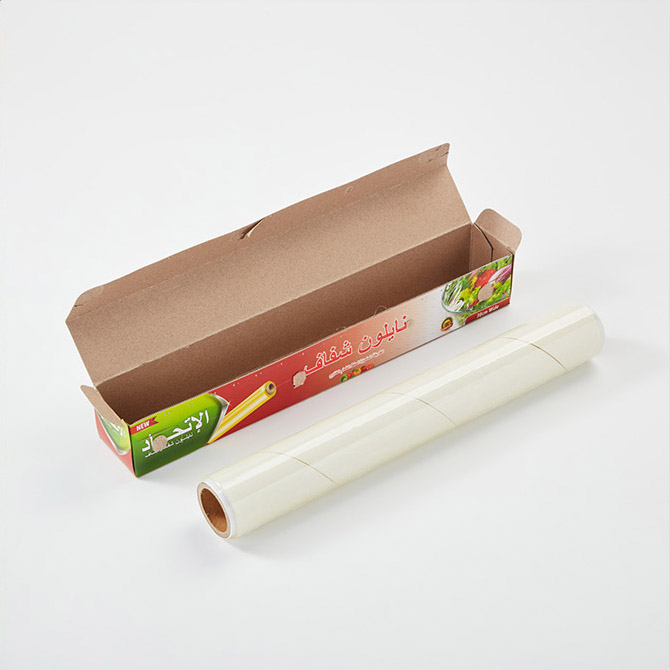
For industrial kitchens or bulk usage scenarios, a heavy duty plastic wrap roll provides stronger tensile strength and better durability. This type of film is less likely to tear or cling excessively during high-frequency wrapping tasks, improving efficiency in commercial environments.
Sustainability is also becoming a major concern. Many businesses and households are switching to a Biodegradable Cling Wrap roll, which offers the same functionality while reducing environmental impact. These eco-friendly options are designed to break down more efficiently compared to traditional plastic films.
In food service industries, a Commercial Cling Film roll bulk option is often preferred. Bulk packaging reduces cost per unit and ensures continuous supply for restaurants, catering services, and supermarkets where large-scale food preservation is required.
To prevent cling wrap from sticking to itself, always pull the film gently and avoid rapid unrolling. Using the cutter edge properly and keeping slight tension while wrapping can significantly improve handling performance. Additionally, slightly chilling your hands or reducing static electricity can also help reduce unwanted adhesion.
In conclusion, mastering cling wrap usage is not only about technique but also about choosing the right product type. Whether it is for home kitchens or commercial applications, selecting the appropriate cling film ensures better performance, cleaner wrapping, and less material waste.