
We are committed to food packaging PVC cling film, PE cling film,stretch wrap, aluminum foil and other disposal food packing film/foil.

Language
>
We are committed to food packaging PVC cling film, PE cling film,stretch wrap, aluminum foil and other disposal food packing film/foil.
In recent years, the question “Is aluminum foil harmful?” has become a high-search-volume topic in food safety, packaging, and kitchen health discussions. With increasing attention on food contact materials, both consumers and food packaging manufacturers are re-evaluating traditional materials such as aluminum foil and comparing them with modern alternatives like PE Cling Film, PVC wrap, and biodegradable food packaging films.
This article provides a practical, industry-focused explanation of aluminum foil safety, aluminum migration mechanisms, and safer packaging strategies—especially relevant for food service brands, supermarkets, and packaging suppliers like DS Cling Film.
Aluminum foil is a thin sheet of rolled aluminum widely used for food storage, baking, grilling, and industrial packaging. According to Wikipedia – Aluminium Foil, it is valued for its barrier properties against moisture, oxygen, and light.
Its popularity comes from:
Excellent heat resistance
High barrier protection (oxygen & moisture)
Low cost and convenience
Wide availability in food industry
Scientific studies show that aluminum exposure from food is generally low and safely excreted by the human body. However, under specific conditions, aluminum can migrate from foil into food.
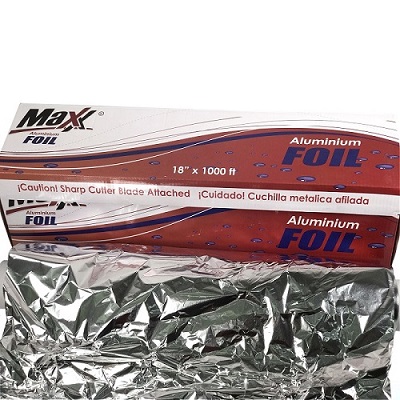
Risk factors include:
High temperature cooking (above 200°C)
Acidic foods (tomato, lemon, vinegar)
Salty or marinated foods
Long-term food storage in foil
Research indicates that acidic and salty environments significantly increase aluminum leaching into food, especially during baking or grilling.
The key issue is not everyday usage, but chemical interaction under heat and acidity. When aluminum foil contacts acidic food, a small amount of aluminum ions may transfer into the food matrix.
| Condition | Aluminum Migration Level | Risk Level |
|---|---|---|
| Cold storage (non-acidic food) | Very low | Low |
| Baking neutral foods (bread, potatoes) | Low to moderate | Low |
| Grilling meat in foil | Moderate | Medium |
| Acidic + high heat (tomato, lemon marinade) | High | Higher concern |
In modern packaging supply chains, aluminum foil is still widely used, but it is increasingly complemented by polymer-based films such as PE and PVC Cling Film.
Companies like DS Cling Film production capacity overview demonstrate how modern extrusion and film-blowing technologies enable scalable, hygienic, and cost-efficient packaging alternatives for global markets.
Better sealing for fresh food preservation
No metal ion migration risk
Flexible usage for cold storage and retail packaging
Lower interaction with acidic foods
| Feature | Aluminum Foil | PE/PVC Cling Film |
|---|---|---|
| Heat resistance | High | Low to medium |
| Barrier to oxygen | Excellent | Good (depends on grade) |
| Acidic food safety | Possible reaction | Stable |
| Food storage safety | Good short-term | Excellent short-term |
| Industrial scalability | High | Very high |
To reduce potential risks associated with aluminum foil, food safety experts generally recommend the following practices:
Avoid wrapping acidic foods directly in foil
Do not store cooked food in foil for long periods
Use parchment paper or food-grade film as a barrier layer
Prefer glass or stainless steel containers for storage
The global food packaging industry is shifting toward safer and more sustainable materials. Flexible packaging films, especially PE Cling Film and biodegradable wraps, are replacing traditional foil in many retail and food service applications.
This trend is driven by:
Food safety regulations
Consumer health awareness
Demand for cost-efficient logistics packaging
Reduction of metal-based contamination concerns
Normal usage is considered safe. However, excessive exposure from frequent high-temperature cooking with acidic foods may increase aluminum intake.
Yes, for neutral foods. But avoid long-term storage, especially with acidic or salty ingredients.
Food-grade PE Cling Film, parchment paper, and glass containers are widely recommended alternatives.
Yes, acidic foods may develop a metallic taste due to minor chemical reactions.
So, is aluminum foil harmful? The answer is nuanced. In normal kitchen use, it is generally safe. However, under specific conditions—especially high heat and acidic environments—aluminum migration can occur.
For modern food packaging businesses, this highlights a clear direction: safer, more stable, and more scalable materials like cling film are becoming increasingly important in global supply chains.
To explore advanced food packaging solutions and production capabilities, visit DS Cling Film or learn more about manufacturing scale on our production capacity page.

We focus on overseas markets and major exports to different countries, selling well in Europe, America, the Middle East, Southeast Asia, etc.
Contact
No. 242 Shangjia Fenxi Road,Wanjiang District, Dongguan city, Guangdong Province ,China
Email:
Phone:
+86 18938161161