
We are committed to food packaging PVC cling film, PE cling film,stretch wrap, aluminum foil and other disposal food packing film/foil.

Language
>
We are committed to food packaging PVC cling film, PE cling film,stretch wrap, aluminum foil and other disposal food packing film/foil.
As global demand for fresh, safe, and convenient food continues to grow, cling film has become one of the most widely used packaging materials in the food industry. From supermarkets and restaurants to food processing factories and catering businesses, cling film plays a vital role in protecting food, extending shelf life, and improving product presentation.
But have you ever wondered, what is cling film made of? Understanding the materials behind cling film helps wholesalers, distributors, and food packaging buyers choose the right product for different applications. Whether you need high-clarity film for fresh meat displays or recyclable packaging for sustainable projects, selecting the appropriate material is essential.
As a professional cling film manufacturer, DS Cling Film supplies commercial PVC cling film, PE Cling Film, aluminum foil, and stretch film to customers worldwide, offering OEM and private label solutions for the food packaging industry.
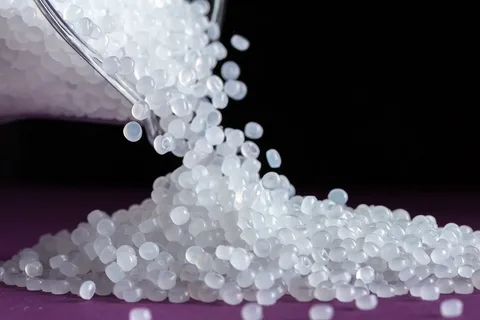
Modern cling film is manufactured from food-grade plastic resins specially designed for food contact applications. Today, the two most common materials are PVC (Polyvinyl Chloride) and PE (Polyethylene). Each material has unique characteristics that make it suitable for different packaging environments.
PVC cling film has long been one of the most popular choices for commercial food packaging. It is widely used in supermarkets, butcher shops, fruit stores, and fresh food counters because of its excellent transparency and superior cling performance.
PVC film naturally adheres to containers and food trays, creating an effective seal that helps reduce moisture loss while protecting products from dust and contaminants. It also features excellent anti-fog performance, allowing packaged foods to remain clearly visible even in refrigerated display cases.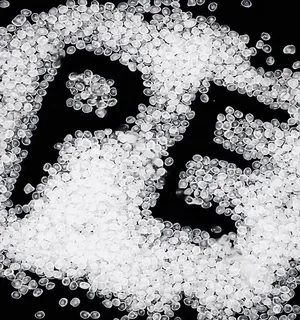
Excellent self-cling performance
Outstanding transparency
Anti-fog properties
High stretchability
Ideal for manual wrapping
Typical applications include:
Fresh meat packaging
Seafood trays
Fresh fruit and vegetables
Ready-to-eat meals
Bakery products
Supermarket displays
Learn more about commercial PVC Cling Film solutions for food packaging.
PE (Polyethylene) cling film has become increasingly popular as food companies place greater emphasis on sustainability and recyclable packaging. Compared with PVC, PE film offers excellent flexibility, good puncture resistance, and can be recycled in many regions where suitable recycling facilities are available.
PE cling film is widely used in commercial kitchens, catering services, food factories, and industrial food packaging applications.
Food-safe material
Odor-free
Flexible and durable
Good puncture resistance
Suitable for machine and manual wrapping
PE cling film is often selected for:
Food processing factories
Frozen food packaging
Commercial catering
Central kitchens
Bulk food packaging
Explore more commercial food packaging products in the Product Center.
As environmental regulations continue to evolve, biodegradable and bio-based packaging materials are becoming an important trend in the global food packaging industry.
Some manufacturers are developing cling films made from renewable materials such as PLA and other biodegradable polymers. While these materials offer environmental advantages, they currently have higher production costs and are generally used in premium sustainable packaging projects.
Many food brands now evaluate biodegradable materials alongside recyclable PE films when developing long-term sustainability strategies.
Although different manufacturers use various production technologies, Commercial Cling Film is generally produced through a continuous extrusion process.
Food-grade resin preparation
Raw material mixing
Film extrusion
Cooling process
Stretching and orientation
Slitting into required widths
Quality inspection
Packaging and shipment
Professional manufacturers invest in automated production lines, precision thickness control systems, and strict quality inspection processes to ensure consistent product performance.
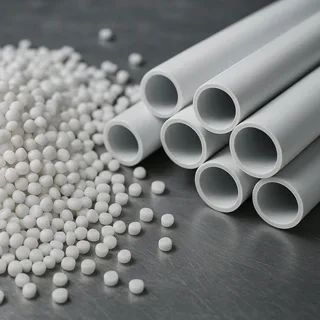
For OEM customers, manufacturers can also customize:
Film thickness
Roll width
Roll length
Core size
Retail packaging
Private label printing
Carton design
The material used to manufacture cling film directly affects its packaging performance. Businesses should consider several important factors before choosing the right product.
| Feature | PVC Cling Film | PE Cling Film |
|---|---|---|
| Transparency | Excellent | Very Good |
| Cling Performance | Excellent | Good |
| Stretchability | Excellent | Good |
| Recyclability | Depends on local facilities | Widely recyclable in many regions |
| Typical Applications | Fresh food display | Commercial food packaging |
Selecting the right cling film is not simply about choosing PVC or PE. Food manufacturers, wholesalers, supermarkets, and distributors should evaluate the entire packaging process before making a purchasing decision. The right material can improve packaging efficiency, reduce food waste, and enhance product presentation while meeting local food safety regulations.
Before placing an order, buyers should consider the following factors:
Type of food: Fresh meat, seafood, fruit, vegetables, bakery products, or prepared meals.
Storage conditions: Room temperature, refrigerated, or frozen environments.
Packaging method: Manual wrapping or automatic packaging machines.
Required film thickness: Different products require different levels of strength and flexibility.
Transportation distance: Export shipments and cold-chain logistics often require more durable packaging.
Sustainability goals: Some businesses prioritize recyclable or environmentally friendly packaging materials.
Working with an experienced manufacturer allows businesses to customize roll width, thickness, length, and packaging according to production requirements rather than relying on standard retail products.
Food packaging materials must comply with strict food-contact regulations to ensure consumer safety. High-quality cling film is manufactured using food-grade raw materials and produced under controlled quality management systems.
Depending on the destination market, buyers may require products that comply with regulations such as:
FDA Food Contact Materials (United States)
EU Food Contact Materials Regulations (European Union)
LFGB requirements (Germany)
These regulations help ensure that packaging materials are suitable for direct food contact when used according to applicable requirements.
For more information, visit the official resources:
Cling film is used across nearly every sector of the food industry because of its ability to protect products while maintaining freshness and an attractive appearance.
Common commercial applications include:
Supermarket fresh food displays
Fruit and vegetable packaging
Fresh meat and seafood trays
Bakery and deli products
Restaurants and catering services
Central kitchens
Food processing factories
Wholesale food distribution
Different industries often require different film specifications. For example, supermarkets usually prefer highly transparent PVC cling film with anti-fog properties, while food processors may select PE cling film for automated production lines and sustainability initiatives.
Choosing the right supplier is just as important as selecting the right material. Professional manufacturers provide more than standard products—they offer customized packaging solutions that improve efficiency and support long-term business growth.
Reliable manufacturers typically provide:
OEM and ODM services
Private label packaging
Customized roll sizes
Jumbo roll production
Stable production capacity
Strict quality inspection
International export experience
As an experienced manufacturer, DS Cling Film supplies PVC cling film, PE cling film, aluminum foil, and stretch film for customers around the world. The company also supports customized packaging solutions for supermarkets, restaurants, distributors, and food processing businesses.
Related products:
Yes. Most commercial cling film is manufactured from food-grade plastic materials, primarily PVC (Polyvinyl Chloride) or PE (Polyethylene), depending on the intended application.
Neither material is universally better. PVC offers excellent cling, transparency, and anti-fog performance, making it ideal for fresh food displays. PE provides good flexibility and is often preferred where recyclable packaging is a priority.
Food-grade cling film manufactured by reputable suppliers is designed for food-contact applications and should comply with the relevant regulations of the destination market.
Recyclability depends on both the material and local recycling infrastructure. Many PE films can be recycled where collection systems exist, while PVC recycling availability varies by region.
Yes. Professional manufacturers can customize film thickness, roll width, roll length, packaging design, carton printing, and private label branding to meet specific business requirements.
Understanding what cling film is made of helps businesses choose the most suitable packaging solution for their products. PVC and PE remain the two most widely used materials, each offering unique advantages depending on food type, storage conditions, packaging equipment, and sustainability goals.
As consumer expectations and environmental regulations continue to evolve, selecting a trusted manufacturing partner becomes increasingly important. A professional supplier can provide not only high-quality food-grade cling film but also customized solutions that improve packaging efficiency, strengthen brand identity, and support long-term business growth.
Whether you are looking for commercial PVC cling film, recyclable PE cling film, or customized OEM food packaging solutions, partnering with an experienced manufacturer like DS Cling Film can help your business deliver safer, fresher, and more efficient food packaging to customers worldwide.

We focus on overseas markets and major exports to different countries, selling well in Europe, America, the Middle East, Southeast Asia, etc.
Contact
No. 242 Shangjia Fenxi Road,Wanjiang District, Dongguan city, Guangdong Province ,China
Email:
Phone:
+86 18938161161