
We are committed to food packaging PVC cling film, PE cling film,stretch wrap, aluminum foil and other disposal food packing film/foil.

Language
>
We are committed to food packaging PVC cling film, PE cling film,stretch wrap, aluminum foil and other disposal food packing film/foil.
In global food packaging, saran wrap has become one of the most recognized terms for transparent cling film. Although originally introduced as a trademark, the name is now widely used to describe a range of plastic films designed to preserve freshness, improve food hygiene, and extend shelf life. For importers, distributors, supermarkets, and food processors, however, understanding what is saran wrap made of involves much more than identifying a single material.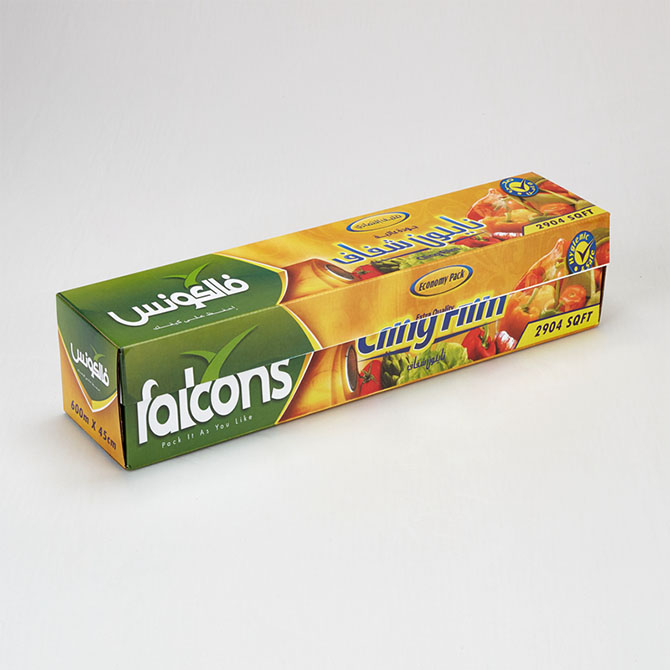
Modern cling film is manufactured from different polymers, each engineered to deliver specific mechanical, optical, and barrier properties. Material selection directly influences stretchability, oxygen permeability, moisture retention, sealing performance, and compatibility with manual or automated packaging systems. Choosing the right film therefore requires an understanding of both polymer science and practical packaging requirements.
This article explains the saran wrap meaning from an industrial perspective, explores the materials used in modern cling film production, and discusses how manufacturers select the appropriate resin for different food packaging applications.
When people search what is saran wrap, they often expect a simple definition. In reality, the term has evolved considerably over the past several decades.
Originally, Saran Wrap referred to a specific commercial product manufactured using polyvinylidene chloride (PVDC), a polymer known for its exceptional barrier performance. As cling film became common in households and commercial kitchens worldwide, the brand name gradually became a generic expression for Food Wrap in much the same way that certain trademarks have become synonymous with an entire product category.
Today, saran wrap meaning generally refers to flexible food-grade plastic film capable of adhering to containers or food surfaces without additional adhesives. Modern cling films are engineered to provide an effective combination of clarity, elasticity, puncture resistance, and food preservation while meeting increasingly stringent food-contact regulations.
The question what is saran wrap made of cannot be answered with a single material because today's packaging industry utilizes several polymer systems depending on the intended application.
Material selection is influenced by factors such as food type, storage conditions, shelf-life requirements, production efficiency, environmental regulations, and customer preferences.
The three most common material families include PVDC, PVC, and polyethylene.
Historically, Saran Wrap achieved its reputation through the use of polyvinylidene chloride (PVDC).
PVDC possesses an exceptionally dense molecular structure that significantly reduces the transmission of oxygen, water vapor, and food aromas. These characteristics make it one of the highest-performing barrier materials available for flexible food packaging.
Its technical advantages include:
Extremely low oxygen transmission rate (OTR)
Excellent water vapor barrier performance
Superior aroma retention
Outstanding chemical resistance
Long-term freshness preservation
Because oxidation is one of the primary causes of food deterioration, PVDC was widely adopted for products requiring extended shelf life.
Despite its excellent performance, PVDC has become less common in many consumer applications due to recycling challenges, environmental considerations, and increasing demand for more sustainable packaging materials.
Today, polyvinyl chloride (PVC) remains one of the most widely used materials in Commercial Cling Film production.
Unlike PVDC, PVC offers an excellent balance between processing efficiency, transparency, elasticity, and self-cling characteristics. These properties make it particularly suitable for fresh food packaging where product presentation is as important as preservation.
High-quality PVC cling film demonstrates:
Excellent optical clarity
Uniform film thickness
Superior elongation
Reliable cling performance
Smooth dispensing
Good puncture resistance
The natural elasticity of PVC allows the film to conform closely to irregular food surfaces, reducing trapped air while creating an attractive retail presentation.
For supermarkets, delicatessens, meat processors, and fresh produce suppliers, PVC cling film continues to provide one of the most cost-effective packaging solutions available.
Another answer to what is saran wrap made of is polyethylene.
Modern polyethylene cling films are typically manufactured from LDPE, LLDPE, or blended polyethylene resins to achieve different performance characteristics.
Compared with PVC, polyethylene generally offers:
Lower density
Good flexibility
Excellent food-contact safety
Strong chemical stability
Good low-temperature performance
Simplified recycling in many regions
Polyethylene films are commonly selected for applications where chlorine-free materials are preferred or where microwave compatibility is required.
Although PE films generally exhibit lower natural cling than PVC, advances in resin formulation and multilayer co-extrusion technologies have significantly improved their packaging performance.
Professional packaging engineers rarely choose cling film based solely on material type.
Instead, they evaluate a combination of functional performance indicators that directly affect packaging efficiency and product quality.
These include oxygen barrier performance, moisture transmission rate, tensile strength, elongation at break, puncture resistance, optical clarity, anti-fog performance, and sealing consistency.
For example, fresh meat packaging requires excellent transparency and strong cling to improve retail presentation, while bakery packaging may prioritize moisture retention to maintain product texture. Frozen food applications often require greater flexibility at low temperatures, whereas automated packaging lines demand highly consistent film thickness and roll quality.
Selecting the appropriate resin therefore involves balancing technical performance with production efficiency and cost.
The manufacturing process also plays an essential role in determining final film performance.
Commercial cling film is typically produced through cast extrusion or blown film extrusion technologies.
During production, carefully selected polymer resins are blended with functional additives such as stabilizers, plasticizers, anti-fog agents, slip modifiers, and processing aids. The material is melted under precisely controlled temperatures before being extruded through specialized dies to form thin, uniform films.
After extrusion, the film is cooled, stretched where necessary, and subjected to multiple quality inspections. Manufacturers monitor thickness uniformity, optical clarity, tensile strength, elongation, and surface consistency before the film is wound into commercial rolls.
For industrial applications, additional testing may include food-contact compliance, migration testing, puncture resistance, and machine-running performance to ensure compatibility with automatic wrapping equipment.
From an engineering perspective, the quality of saran wrap is determined not only by its raw material but also by its overall performance.
A premium cling film should provide balanced mechanical and barrier properties that support efficient packaging operations while protecting food throughout storage and transportation.
Important performance characteristics include excellent transparency for product visibility, stable cling force for secure wrapping, sufficient elongation to prevent tearing during stretching, and reliable puncture resistance for demanding packaging environments.
Equally important is dimensional consistency. Uniform film thickness allows automated packaging equipment to operate efficiently while minimizing material waste and reducing the risk of film breakage.
Consumer expectations, sustainability initiatives, and stricter food safety regulations continue to drive innovation in cling film manufacturing.
Manufacturers are investing in improved resin technologies, multilayer structures, downgauging techniques, and more efficient extrusion processes to reduce material consumption without sacrificing packaging performance.
At the same time, growing interest in recyclable and environmentally responsible packaging has accelerated research into alternative polymer systems while maintaining the transparency, elasticity, and freshness preservation expected from modern cling films.
Selecting a dependable supplier is as important as selecting the appropriate material.
An experienced manufacturer should provide consistent resin quality, advanced production equipment, rigorous quality control, and the ability to customize film specifications according to customer requirements.
Factors such as film width, thickness, roll length, core size, stretch performance, and packaging format should all be tailored to the intended application, whether for retail distribution, food processing, catering services, or industrial packaging operations.
For businesses requiring dependable food packaging solutions, working directly with an experienced manufacturer helps ensure product consistency, production efficiency, and long-term supply stability.
To gain a deeper understanding of the evolution of cling film materials and their practical applications, we recommend reading our related technical article: https://www.dsClingfilm.com/news/102/
Understanding what is saran wrap, the modern saran wrap meaning, and especially what is saran wrap made of enables businesses to make better packaging decisions based on technical performance rather than product name alone.
While the original Saran Wrap became famous for its PVDC formulation, today's packaging industry relies on a broader range of materials—including PVC and polyethylene—to satisfy diverse food preservation requirements. Each material offers unique advantages in terms of barrier performance, processing efficiency, transparency, and cost-effectiveness.
As food packaging technology continues to evolve, selecting the right cling film depends on matching material properties with specific application needs. By partnering with an experienced manufacturer such as DSC Cling Film, distributors, retailers, and food processors can obtain reliable packaging solutions that combine product protection, operational efficiency, and consistent quality for global markets.

We focus on overseas markets and major exports to different countries, selling well in Europe, America, the Middle East, Southeast Asia, etc.
Contact
No. 242 Shangjia Fenxi Road,Wanjiang District, Dongguan city, Guangdong Province ,China
Email:
Phone:
+86 18938161161