
We are committed to food packaging PVC cling film, PE cling film,stretch wrap, aluminum foil and other disposal food packing film/foil.

Language
>
We are committed to food packaging PVC cling film, PE cling film,stretch wrap, aluminum foil and other disposal food packing film/foil.
Industrial packaging requires more than simply covering a product. Loads may need to be secured during handling, storage, and transportation while being protected from dust, dirt, moisture, and other external conditions. For these applications, heavy duty plastic wrap can provide a practical solution for stabilizing packaged goods and improving handling efficiency.
Choosing the right stretch film depends on factors such as load weight, product shape, required stretch performance, wrapping method, and transportation conditions. For businesses handling cartons, pallets, machinery, and other industrial products, understanding these factors can help determine the most suitable packaging film.
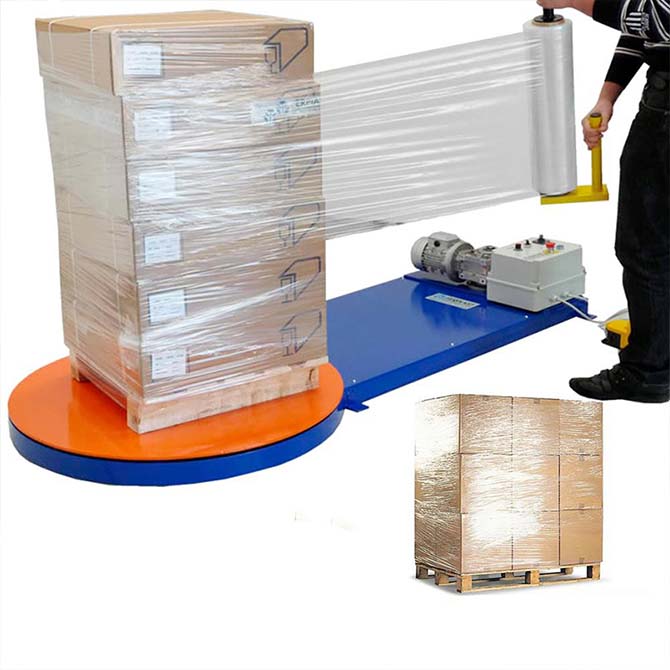
Heavy duty plastic wrap is a stretchable plastic film designed for demanding packaging and load-securing applications. Unlike thin Household Plastic Wrap intended primarily for food protection, industrial plastic wrap is designed to hold products together and help maintain load stability during handling and transportation.
The film can be stretched around products or palletized loads to create tension around the package. When properly applied, this tension helps keep individual items together and reduces unwanted movement.
Industrial packaging often involves products with different sizes, shapes, and weights. A suitable stretch film can help simplify the wrapping process while providing an additional layer of protection.
Common benefits include:
Improved load stability
Protection against dust and dirt
Reduced movement during transportation
Flexible wrapping around different product shapes
Easy application for many packaging operations
Additional protection during storage and handling
For businesses that regularly prepare products for shipment, using the appropriate plastic wrap packaging solution can help create more consistent loads.
Not every packaging film is suitable for every application. Several characteristics should be considered before selecting a film.
The weight of the packaged load is one of the first factors to consider. Heavier loads generally require a film with sufficient strength and holding capability to maintain stability during transportation.
If the film is not suitable for the load, it may stretch excessively or become damaged during handling. For demanding applications, a heavy duty plastic wrap can provide additional performance compared with lighter packaging films.
Product geometry also affects film selection. Boxes and regularly shaped cartons are generally easier to wrap than products with sharp corners, irregular surfaces, or protruding components.
For irregular loads, the film needs to conform effectively to the shape of the products while maintaining sufficient tension. Packaging teams should also consider whether sharp edges could puncture or damage the film.
Stretchability is an important characteristic of stretch film. The film needs to stretch sufficiently during application while maintaining its ability to hold the load together.
The appropriate balance between stretch and strength depends on the packaging method and the characteristics of the load. Excessive stretching without sufficient holding performance may not provide the desired load stability.
Film thickness can influence the performance of packaging film. Thicker films may be appropriate for heavier or more demanding loads, while lighter films can be suitable for less demanding applications.
However, thickness should not be considered by itself. Film formulation, tensile properties, stretch performance, and application method can all influence the actual packaging performance.
Industrial packaging operations may use manual wrapping, semi-automatic equipment, or automatic stretch wrapping machines. The appropriate film depends partly on how it will be applied.
For smaller packaging operations or applications where flexibility is important, a hand stretch film can be convenient. Operators can manually wrap individual products, cartons, or palletized loads without requiring a dedicated wrapping machine.
For higher-volume packaging operations, machine-applied stretch film may be more appropriate because the wrapping process can be standardized and automated.
Hand stretch film is designed for manual application and can be useful for warehouses, distribution centers, manufacturing facilities, and businesses with varying packaging requirements.
Operators can wrap products according to the size and shape of each load. This flexibility can be especially useful when packaging quantities are relatively small or when different products require different wrapping patterns.
For applications that require manual load securing, stretch film hand roll can provide a convenient packaging format.
Palletized products are one of the common applications for industrial stretch film. When multiple cartons or products are placed on a pallet, wrapping the load can help keep the items together during movement and transportation.
The right film should provide sufficient tension without unnecessarily damaging the packaged products. Packaging teams should evaluate the weight, dimensions, surface characteristics, and transportation conditions of the pallet before selecting the film.
For heavier pallet loads, heavy duty plastic wrap may be considered when greater film strength and load stability are required.
Household plastic wrap and industrial stretch film serve different purposes. Household wrap is generally designed for covering food and other small items, while industrial stretch film is designed for securing larger products and loads.
| Feature | Heavy Duty Plastic Wrap | Household Plastic Wrap |
|---|---|---|
| Primary application | Industrial packaging and load securing | Food and household applications |
| Typical use | Cartons, pallets and industrial products | Containers and food items |
| Load securing | Designed for load stability | Not intended for securing heavy loads |
| Application | Manual or machine wrapping | Manual household use |
For industrial packaging, using a film designed specifically for load securing is generally more appropriate than relying on household plastic wrap.
Selecting the right film is only one part of an efficient packaging process. Application technique also affects how effectively the film secures a load.
Packaging operators should ensure that the film is applied consistently around the load and that important areas receive adequate coverage. The wrapping pattern should be adapted to the size and shape of the product.
Businesses can also evaluate film consumption, wrapping time, load stability, and packaging damage when determining whether their current packaging solution is appropriate.
Before purchasing industrial plastic wrap, buyers should define the requirements of their packaging operation. Important considerations include:
Load weight
Product dimensions
Product shape
Sharp edges or corners
Required stretch performance
Film thickness
Manual or machine application
Storage and transportation conditions
Expected packaging volume
These factors can help packaging teams select a film that balances protection, load stability, ease of use, and material consumption.
Heavy duty plastic wrap is an important option for industrial packaging applications where products need to be secured and protected during handling, storage, and transportation. The appropriate film depends on load weight, product shape, stretch performance, thickness, and application method.
For manual packaging operations, hand stretch film provides flexibility and convenient application across different load sizes. For demanding pallet and industrial packaging applications, selecting a film with suitable strength and stretch characteristics can help improve load stability and packaging efficiency.
By evaluating the complete packaging process rather than choosing film based only on thickness, businesses can develop a more reliable and efficient industrial packaging solution.
```

We focus on overseas markets and major exports to different countries, selling well in Europe, America, the Middle East, Southeast Asia, etc.
Contact
No. 242 Shangjia Fenxi Road,Wanjiang District, Dongguan city, Guangdong Province ,China
Email:
Phone:
+86 18938161161