
We are committed to food packaging PVC cling film, PE cling film,stretch wrap, aluminum foil and other disposal food packing film/foil.

Language
>
We are committed to food packaging PVC cling film, PE cling film,stretch wrap, aluminum foil and other disposal food packing film/foil.
In the world of food preservation and packaging, cling films are an essential material that helps keep food fresh, hygienic, and visually appealing. Whether in home kitchens, supermarkets, or large-scale food processing facilities, cling film plays a crucial role in protecting food from contamination, maintaining moisture, and extending shelf life.
Among the commonly used materials, PE Cling Film (polyethylene-based) and PVC Cling Film (polyvinyl chloride-based) are two major types that dominate the market. Although both serve the same basic purpose, they differ significantly in material composition, safety, mechanical performance, and environmental impact.
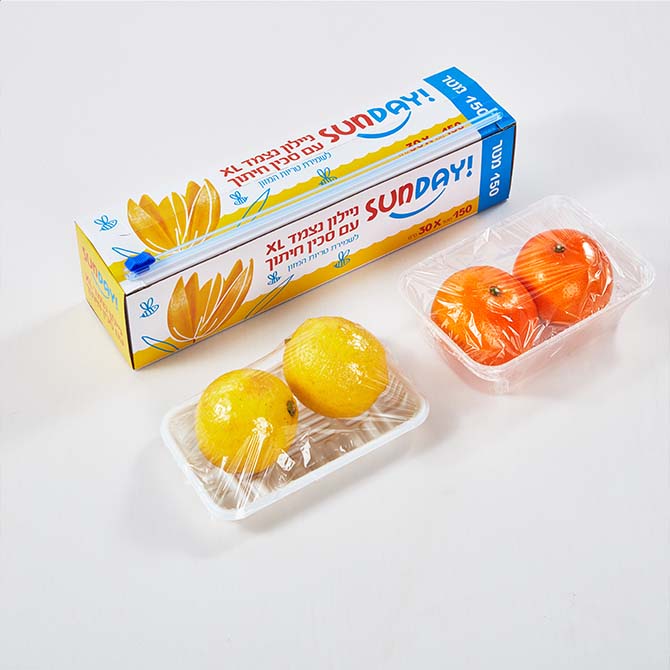
This article takes a deep dive into what PE Cling Film is, how it works, and how it compares with PVC Cling Film across various aspects such as food safety, transparency, elasticity, and applications — helping you make an informed decision for your packaging or household needs.
What Is PE Cling Film?
PE Cling Film, also known as Polyethylene Plastic Wrap, is a transparent, stretchable, and self-adhesive film made primarily from polyethylene resin. It is commonly categorized into three types depending on the density of polyethylene used:
LDPE (Low-Density Polyethylene) – Offers good flexibility and clarity; ideal for Food Wrapping and storage.
LLDPE (Linear Low-Density Polyethylene) – Known for higher tensile strength and puncture resistance.
HDPE (High-Density Polyethylene) – Provides greater stiffness and temperature resistance, though less clingy.
PE Cling Film is often referred to as PE Cling Wrap or pe stretch wrap when used for industrial packaging applications that require stronger tension and load stability.
This film adheres lightly to smooth surfaces such as glass, ceramics, or stainless steel without the need for adhesives. Its excellent stretchability and safety profile make it a preferred choice for both household and professional use.
PVC Cling Film, made from polyvinyl chloride, has been widely used for decades due to its high transparency, strong cling performance, and good elasticity. It is often found in supermarkets covering fruits, vegetables, or meat trays.
However, PVC cling film typically contains plasticizers (such as DEHA or DOP) to enhance flexibility and stickiness. While this improves performance, it also raises concerns about food safety — especially when used for high-fat or hot foods, since plasticizers can potentially migrate into the food under certain conditions.
As global food safety standards become stricter, PE Cling Film is increasingly replacing PVC-based options in many regions, particularly in the EU, USA, and Japan, where plasticizer-free materials are preferred.
| Feature | PE Cling Film | PVC Cling Film |
|---|---|---|
| Base Material | Polyethylene (LDPE, LLDPE) | Polyvinyl Chloride |
| Additives | Minimal or none | Requires plasticizers for flexibility |
| Toxicity | Non-toxic and food-safe | May release harmful compounds if overheated |
| Odor | Odorless | Slight plastic odor possible |
| Environmental Impact | Fully recyclable | Difficult to recycle due to additives |
| Elasticity | Good stretch, moderate cling | Excellent stretch and cling |
| Transparency | Slightly lower clarity | Very high clarity and gloss |
From a material safety perspective, polyethylene plastic wrap (PE) is more suitable for direct contact with food, especially oily, fatty, or hot items.
One of the most significant differences between PE and PVC films lies in their food safety characteristics.
PE Cling Film:
Made without plasticizers, this film is non-toxic, odorless, and inert, making it safe for wrapping all types of food, including fatty or acidic products. It meets international standards such as FDA, EU Regulation No. 10/2011, and LFGB for direct food contact.
PVC Cling Film:
Contains plasticizers and stabilizers that can migrate into food under certain conditions, particularly when in contact with oil or heat. Many countries now restrict PVC use for wrapping meat, cheese, and cooked food.
Conclusion:
If your primary concern is food hygiene and safety, PE Cling Film is the better choice — especially for households, restaurants, and food processing plants that prioritize consumer health.
PVC cling films are known for their high gloss and crystal-clear appearance, making packaged food look fresh and appealing under store lighting.
PE cling films, while also transparent, may have slightly lower gloss due to the natural properties of polyethylene. However, modern manufacturing processes such as multi-layer co-extrusion and anti-fog treatment have greatly improved the clarity of pe cling wrap, allowing it to rival PVC in visual presentation.
Both PE and PVC films are designed to be stretchable and self-adhering, but they behave differently:
PVC Cling Film:
Naturally more elastic and clingy due to the presence of plasticizers. It tightly conforms to irregular shapes and maintains a strong seal.
PE Cling Film:
Relies on surface tension for adhesion rather than chemical additives. While it may feel less “sticky,” it offers smoother release and resists tangling, which is ideal for high-speed wrapping machines.
Moreover, pe stretch wrap used in industrial packaging offers exceptional tensile strength and load stability, making it suitable for pallet wrapping, bulk packaging, and logistics applications.
| Property | PE Cling Film | PVC Cling Film |
|---|---|---|
| Cold Resistance | Excellent (as low as -60°C) | Moderate (-20°C) |
| Heat Resistance | Up to 110°C (depending on grade) | Up to 70°C |
| Microwave Safety | Safe for short reheating | Not recommended |
| Refrigerator Use | Excellent | Good |
Because polyethylene plastic wrap is chemically stable and does not release harmful substances when heated moderately, it is safer for microwave reheating or refrigerated storage. PVC, on the other hand, may release chlorine compounds at higher temperatures.
In an era where sustainability is a top priority, the environmental profile of a material is crucial.
PE Cling Film:
100% recyclable, non-toxic, and burns cleanly into carbon dioxide and water without releasing harmful gases. Many suppliers are now developing biodegradable PE films to further reduce plastic waste.
PVC Cling Film:
Difficult to recycle due to mixed plasticizers and stabilizers. When burned, PVC can release hydrogen chloride (HCl) and dioxins, which are harmful to both humans and the environment.
Conclusion:
From a sustainability standpoint, PE Cling Film is far more eco-friendly and compliant with modern environmental regulations.
Because of its safety, flexibility, and hygiene, PE Cling Film is widely used across both consumer and industrial sectors:
Household Use:
Wrapping fruits, vegetables, and leftovers.
Covering dishes, bowls, or meal prep containers.
Safe for refrigerator and microwave use.
Food service packaging in restaurants, bakeries, and catering companies.
Supermarket wrapping for fresh produce and meat.
Industrial applications as pe stretch wrap for palletized goods, cartons, and logistics protection.
Used as a protective film in factories and greenhouses.
Packaging of non-food items requiring dust-proof or moisture-proof wrapping.
To maintain the best performance of PE Cling Film, follow these practical tips:
Store in a cool, dry place away from direct sunlight to prevent oxidation.
Avoid excessive heat exposure; temperatures above 110°C may soften the film.
Keep the roll clean and sealed to prevent dust contamination.
Use with clean, dry surfaces for the best adhesion effect.
Recycle after use where facilities are available.
Compliance with global food safety standards (FDA, EU, LFGB)
Plasticizer-free and non-toxic composition
Eco-friendly and fully recyclable
Stable mechanical properties for automation use
Cost-effective long-term alternative to PVC cling film
Suitable for both manual and machine wrapping applications
As food packaging regulations tighten and sustainability becomes a brand priority, PE Cling Film continues to gain market share as the go-to solution for safe, efficient, and eco-conscious packaging.
| Aspect | PE Cling Film | PVC Cling Film |
|---|---|---|
| Material | Polyethylene (LDPE/LLDPE) | Polyvinyl Chloride |
| Plasticizer | None required | Required |
| Food Safety | Safe for all food types | Not suitable for oily/hot food |
| Transparency | High | Very high |
| Elasticity | Moderate to high | Very high |
| Temperature Range | -60°C to +110°C | -20°C to +70°C |
| Recyclability | Recyclable | Difficult to recycle |
| Environmental Impact | Eco-friendly | Potentially harmful gases when burned |
Final Verdict:
If you need a safe, odorless, and eco-friendly film for food contact or industrial packaging, PE Cling Film — also known as polyethylene plastic wrap, pe cling wrap, or pe stretch wrap — is the superior choice.
It provides reliable sealing performance, meets international food safety standards, and aligns perfectly with the growing demand for sustainable packaging solutions.

We focus on overseas markets and major exports to different countries, selling well in Europe, America, the Middle East, Southeast Asia, etc.
Contact
No. 242 Shangjia Fenxi Road,Wanjiang District, Dongguan city, Guangdong Province ,China
Email:
Phone:
+86 18938161161