
We are committed to food packaging PVC cling film, PE cling film,stretch wrap, aluminum foil and other disposal food packing film/foil.

Language
>
We are committed to food packaging PVC cling film, PE cling film,stretch wrap, aluminum foil and other disposal food packing film/foil.
In modern food preservation, cling film plays an essential role in maintaining freshness, preventing contamination, and extending shelf life. Among all materials used for cling film, PVC (polyvinyl chloride) remains one of the most common choices due to its excellent flexibility, clarity, and strong cling properties. However, this popularity also raises an important question for consumers, retailers, and foodservice professionals: Is PVC cling film safe?
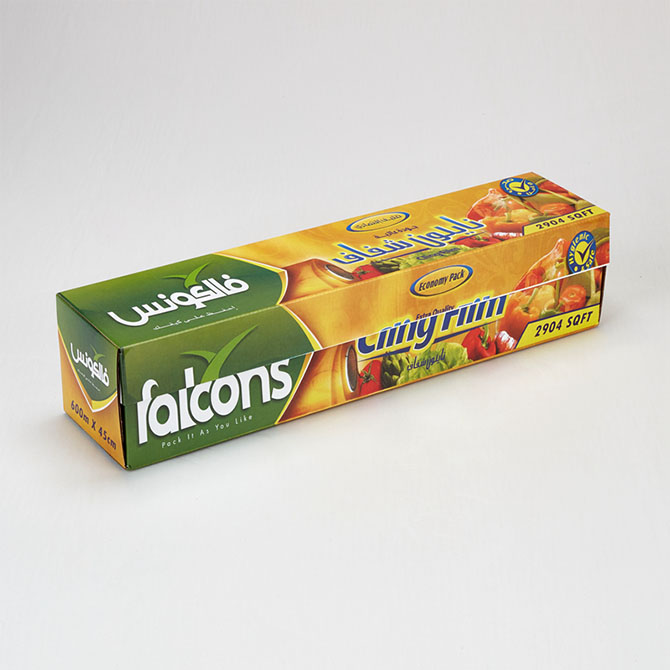
PVC cling film is a thin, stretchable plastic wrap commonly used in households, supermarkets, restaurants, and food processing facilities. Its ability to adhere to surfaces without adhesives makes it highly convenient for wrapping fruits, vegetables, meat, baked goods, and cooked meals.
Key features include:
High elasticity and stretchability
Strong cling performance
Excellent transparency
Breathability (allows proper gas exchange for fresh produce)
Because of these qualities, pvc cling film has been widely used worldwide for decades.
PVC is often favored over alternatives such as PE (polyethylene) because:
2.1 Superior Cling Strength
PVC naturally adheres tightly to containers and food surfaces, making it practical for commercial food packaging.
Fruits and vegetables “respire.” PVC film enables sufficient oxygen interchange, preventing premature decay. This is one reason supermarkets prefer PVC Cling Film For Food Wrapping in produce sections.
PVC offers crystal-clear transparency, enhancing product display and consumer appeal.
It can withstand refrigeration and normal food storage conditions without easily becoming brittle.
These functional advantages help explain why the food packaging industry continues to rely on PVC films, especially for fresh foods.
3. The Safety Debate: What Are the Concerns?
The safety concerns surrounding PVC cling film mainly relate to plasticizers—additives used to make PVC soft and flexible.
Plasticizers such as DINP or DOTP (depending on region) are blended into PVC formulations because pure PVC is rigid. The safety concern arises from the possibility of:
Plasticizer migration into high-fat foods
Chemical exposure during long-term food storage
Contamination when heated improperly
Migration occurs only when:
The wrong type of food is wrapped (e.g., greasy, fatty, oily foods)
The film is overheated
The film is used in a microwave (not recommended for PVC films)
Studies show that pvc cling film for food wrapping designed for regulated markets uses approved food-grade plasticizers that significantly reduce migration and are safe under recommended conditions.
PVC cling films are highly regulated worldwide, and safety guidelines differ between regions.
The European Union enforces strict controls under:
EC No 10/2011 (plastic materials in contact with food)
REACH Regulation
Specific migration limits (SML) for all additives
Only approved food-grade plasticizers can be used in PVC food wrap.
The U.S. FDA permits PVC cling films for food wrapping as long as:
They use FDA-approved plasticizers
They comply with migration limits
They are used with appropriate types of food
Standards such as GB 4806.7-2016 regulate the production and testing of PVC cling films. Food-safe plasticizers like DOTP or DOA are required.
Regulated under FSANZ, focused on migration testing and material composition.
Across all regions, the consensus is clear:
PVC cling films are safe when manufactured properly and used according to guidelines.
5.1 Safe For:
Fruits
Vegetables
Bread
Pastries
Cooked foods stored at room temperature or refrigerated
Non-oily foods
·
Because of its breathability, pvc cling film is especially suitable for produce packaging.
Oily or fatty foods (e.g., cheese, raw meat with visible fat, butter)
High-temperature environments
Microwave heating
Boiling or steaming
PVC softeners may migrate into high-fat foods—this is the main safety concern.
Feature | PVC Cling Film | PE Cling Film |
Cling Strength | Strong | Moderate |
Breathability | Good | Low |
Transparency | High | Medium |
Heat Stability | Good for cold/ambient | Better for microwaves |
Suitability for Food Types | Please avoid fatty foods | Safe for all foods |
Cost | Lower | Higher |
In short:
PVC cling film for food wrapping is ideal for produce and general wrapping.
PE cling film is better for oily, fatty foods and microwave use.
7.1 Excellent Preservation
PVC maintains freshness by reducing moisture loss and preventing contamination.
Its high transparency makes food appear more appealing.
Fine stretchability and strong clinging performance make wrapping effortless.
Food-grade PVC films conform to migration and composition standards.
8. Environmental Concerns About PVC
PVC has environmental limitations:
Difficult to recycle
Can release substances during incineration
Production involves chlorine chemistry
Manufacturers are working to develop more eco-friendly PVC formulations, and some regions prefer PE Wraps for environmental reasons.
However, modern PVC cling film for food wrapping uses safer plasticizers and improved production methods to minimize environmental and health risks.
Do:
Use PVC film only with non-fatty foods
Keep it away from high heat
Ensure it does not touch hot food directly
Store film in cool, dry places
Choose certified food-grade PVC cling film
Use PVC cling film in microwaves
Wrap oily foods directly
Use damaged or low-quality film
Expose the film to temperatures above 60°C·
Proper usage is the key to ensuring PVC cling film remains safe.
Yes—PVC cling film is safe, as long as it is food-grade and used correctly.
Regulatory bodies worldwide have approved its use under strict conditions. The safety concerns mainly arise when PVC film is misused (e.g., wrapping fatty foods, heating the film).
When using pvc cling film for food wrapping with suitable foods, such as fruits, vegetables, and baked goods, it remains a highly effective and safe packaging choice.
PVC cling film continues to be one of the most widely used food-wrapping materials due to its excellent flexibility, transparency, and strong cling performance. While debates exist regarding plasticizer migration and environmental impact, evidence and global regulations show that food-grade PVC cling film is safe when used properly.

We focus on overseas markets and major exports to different countries, selling well in Europe, America, the Middle East, Southeast Asia, etc.
Contact
No. 242 Shangjia Fenxi Road,Wanjiang District, Dongguan city, Guangdong Province ,China
Email:
Phone:
+86 18938161161