
We are committed to food packaging PVC cling film, PE cling film,stretch wrap, aluminum foil and other disposal food packing film/foil.

Language
>
We are committed to food packaging PVC cling film, PE cling film,stretch wrap, aluminum foil and other disposal food packing film/foil.
In today’s fast-paced world, food safety and preservation have become increasingly important. From households to professional kitchens, keeping food fresh, hygienic, and safe is a priority. One of the most commonly used tools for food storage is cling film, which comes in different materials, mainly PE Cling Film (polyethylene) and PVC (polyvinyl chloride) cling film.
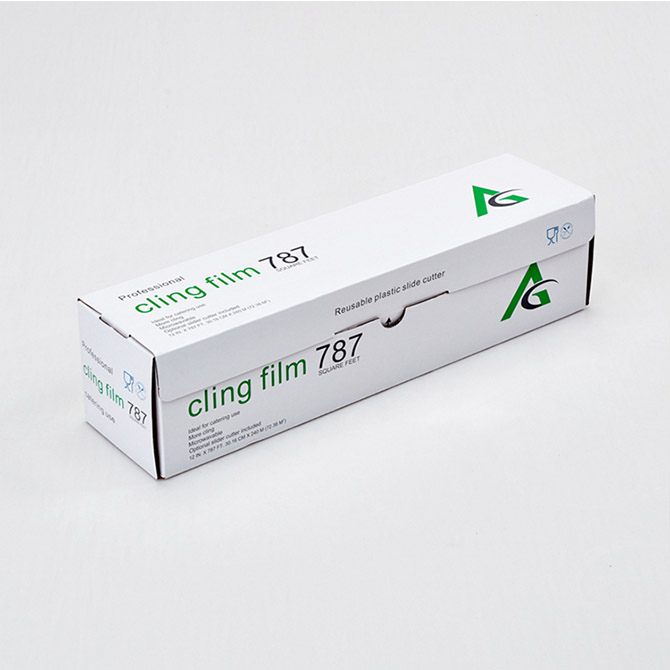
1. Understanding PE Cling Film and Polyethylene Plastic Wrap
PE Cling Film, also known as polyethylene plastic wrap, is a flexible, transparent film made from polyethylene, a non-toxic thermoplastic polymer. Unlike PVC films, PE films do not require softeners or plasticizers to achieve flexibility, which reduces the risk of chemical migration into food.
Key Characteristics of PE Cling Film:
Material: Polyethylene (non-toxic, food-grade)
Safety: Free from phthalates and harmful plasticizers
Flexibility: Naturally soft and stretchable
Transparency: Clear, allowing easy inspection of wrapped food
Temperature Resistance: Safe for refrigeration and freezing, limited tolerance for heat
Because of its chemical stability, PE Cling Film is often recommended for direct contact with all types of foods, including fatty foods and meats, without risk of contamination.
2. Understanding PVC Cling Film
PVC cling film, on the other hand, is made from polyvinyl chloride, a rigid material that requires plasticizers (like phthalates) to become flexible. These plasticizers allow the film to cling tightly and stretch over containers. While PVC films are widely used due to their high transparency and cling strength, concerns have been raised over their safety, especially when in contact with fatty or high-temperature foods.
Key Characteristics of PVC Cling Film:
Material: Polyvinyl chloride with plasticizers
Safety Concerns: Potential migration of plasticizers into fatty foods
Cling Strength: Stronger than PE in most cases
Transparency: Excellent
Temperature Resistance: Not suitable for microwaves or high-heat environments
Regulatory bodies such as the EU and FDA have imposed strict limits on plasticizer migration, ensuring that high-quality, food-grade PVC films remain safe when used appropriately. However, misuse or wrapping fatty foods at high temperatures can increase risks.
3. Material Safety Comparison: PE vs PVC
3.1 Chemical Composition
PE Cling Film: Chemically stable, does not need softeners. Safe for all food types.
PVC Cling Film: Contains plasticizers to achieve flexibility. Some plasticizers may migrate into fatty foods.
3.2 Food-Grade Safety
PE Cling Film: Generally considered safer because there is no chemical migration risk.
PVC Cling Film: Safe if food-grade and used according to guidelines, but higher risk if misused.
PE Cling Film: Recyclable in many regions and easier to handle environmentally.
PVC Cling Film: Less recyclable, chlorine content in PVC may generate harmful byproducts if incinerated.
PE Cling Film: Limited heat resistance; can be used in refrigeration and freezing but should not contact direct heat.
PVC Cling Film: Similar heat restrictions; may release plasticizers if exposed to high temperatures.
4. Performance Comparison: Cling, Stretch, and Durability
| Feature | PE Cling Film / Polyethylene Plastic Wrap | PVC Cling Film |
|---|---|---|
| Cling Strength | Moderate, sufficient for most containers | Strong, adheres tightly |
| Stretchability | Good | Excellent |
| Transparency | High | Very High |
| Tear Resistance | Good | Moderate (can tear easily if thin) |
| Best for | Fatty foods, freezing, general storage | Fruits, vegetables, dry foods, short-term storage |
In terms of performance, PVC may offer stronger initial cling and display advantages, but PE Cling Film provides superior safety and versatility.
5.1 PE Cling Film / Polyethylene Plastic Wrap Applications
Household Use: Wrapping leftovers, sandwiches, vegetables, and meat
Refrigeration: Safe for cold storage and freezer use
Industrial Use: Food factories for bulk ingredient wrapping
Commercial Kitchens: Meal prep and hygiene protection
5.2 PVC Cling Film Applications
Produce Packaging: Fruits and vegetables in supermarkets
Short-Term Storage: Cakes, bread, and dry goods
Food Display: Strong cling and transparency make it appealing for retail use
6.1 PE Cling Film Advantages
Free from phthalates and harmful additives
Safe for fatty and oily foods
Suitable for long-term storage in refrigeration or freezing
Low risk of chemical migration
6.2 PVC Cling Film Precautions
Avoid wrapping fatty foods directly with PVC film
Do not use in microwaves unless specifically labeled as microwave-safe
Follow recommended storage guidelines and food safety regulations
EU Standards: Both PE and PVC cling films must comply with EC 10/2011 for food contact materials.
FDA Regulations: PVC and PE cling films must meet migration limits for additives.
LFGB (Germany): Ensures plasticizers used in PVC are within safe limits.
In practice, PE Cling Film / polyethylene plastic wrap is easier to meet safety standards due to its chemical stability.
Considering chemical composition, safety for fatty foods, regulatory compliance, and environmental impact, PE Cling Film / polyethylene plastic wrap is generally considered safer for food wrapping than PVC.
Key reasons:
No plasticizers are required, reducing chemical migration risk
Suitable for a wider range of foods, including oily and fatty items
Better recyclability and environmentally friendly
Safer for freezing and longer storage periods
PVC cling film still has advantages in strong cling performance and retail display, but careful use is required to avoid safety risks.
9. Best Practices for Using PE Cling Film Safely
Always check for food-grade certification
Avoid using film with high heat; refrigerate or freeze wrapped food
Store film in a cool, dry place away from sunlight
Tear along the dispenser carefully to avoid contamination
Use different films for fatty and non-fatty foods if using PVC alternatives
Both PE Cling Film and PVC cling film are valuable tools in food preservation. However, when considering food safety, chemical stability, and versatility, PE Cling Film / polyethylene plastic wrap stands out as the safer choice. Its non-toxic nature, suitability for all food types, and compliance with global safety standards make it the preferred option for households, commercial kitchens, and food processing industries.
PVC cling film retains its usefulness in certain retail and display contexts due to its superior cling and transparency, but it requires caution, particularly with fatty foods and high-temperature exposure.
For safe, practical, and environmentally responsible food storage, PE Cling Film remains the top recommendation.
Previous: Are Aluminium Foil Biodegradable
Next: Is Pvc Cling Film Safe

We focus on overseas markets and major exports to different countries, selling well in Europe, America, the Middle East, Southeast Asia, etc.
Contact
No. 242 Shangjia Fenxi Road,Wanjiang District, Dongguan city, Guangdong Province ,China
Email:
Phone:
+86 18938161161