


In modern logistics and manufacturing, product protection during storage and transportation is critical. Automated packaging lines equipped with PE and PP stretch films play a crucial role in securing pallets, reducing breakage, and improving overall packaging efficiency.
The Challenge of Product Damage in Shipping
Products are exposed to various forces during handling and transportation, including vibration, stacking pressure, and environmental factors. Without proper packaging, fragile or perishable goods can suffer damage, leading to returns, losses, and dissatisfied customers.
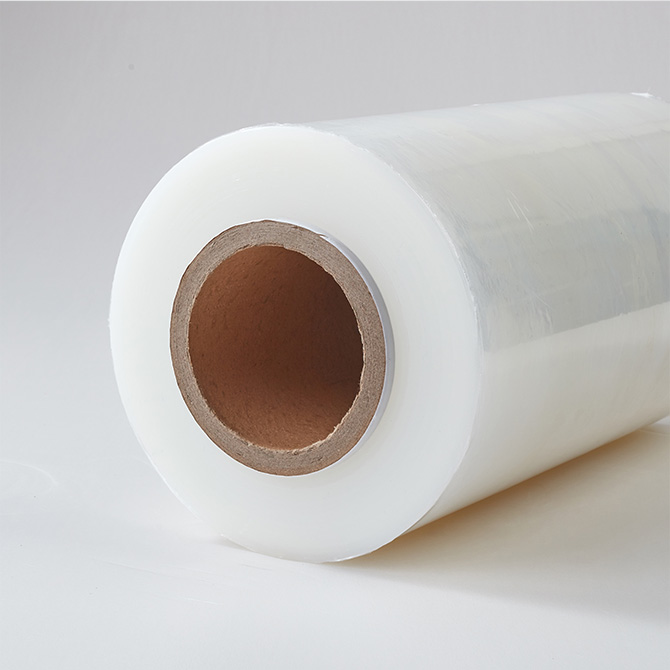
How PE and PP Films Solve the Problem
Polyethylene (PE) and polypropylene (PP) films are widely used in automated packaging lines due to their excellent stretchability, elasticity, and tear resistance. When applied with automatic stretch wrapping machines, these films:
Secure products tightly on pallets
Absorb shocks during transport
Prevent slippage and toppling
Provide a protective barrier against dust and moisture
Improve overall load stability and reduce breakage rates
Comparison of PE and PP Films in Automated Lines
| Film Type | Thickness | Application |
|---|---|---|
| PE Stretch Film | 12–35 μm | Pallet wrapping, industrial packaging |
| PP Stretch Film | 15–40 μm | High-strength wrapping, export packaging |
| Pre-stretched PE Film | 10–25 μm | Automatic wrapping machines, energy-saving |
Benefits of Integrating PE/PP Films into Automated Packaging Lines
Reduced Product Damage: Stretch films distribute pressure evenly across the load.
Improved Efficiency: Automatic application reduces labor costs and cycle time.
Cost Savings: Less damage and fewer returns lower overall expenses.
Environmental Control: Protects goods from dust, moisture, and light exposure.
Enhanced Stack Stability: Enables higher pallet stacking and optimized warehouse space.
Industries Benefiting from Automated Film Wrapping
Food and beverage manufacturers
Pharmaceutical and medical products
Electronics and home appliances
Logistics and e-commerce fulfillment centers
Furniture and industrial equipment
FAQ: Automated Packaging with PE and PP Films
Q1: Can all products be wrapped with stretch film?
A1: Most products can be wrapped, but fragile items may require additional cushioning materials before stretch wrapping.
Q2: Which film is better, PE or PP?
A2: PE film is more cost-effective and flexible, while PP film offers higher strength and better recovery for heavy loads.
Q3: Can automated lines handle multiple pallet sizes?
A3: Yes, modern wrapping machines can adjust tension and film length to accommodate different pallet dimensions.
Q4: How much does stretch film reduce damage?
A4: Depending on the product and load, damage rates can be reduced by up to 50–70% with proper film application.
Q5: Are PE/PP films recyclable?
A5: Yes, both PE and PP films are recyclable, and some suppliers offer biodegradable or eco-friendly variants.
Conclusion
Integrating PE and PP films into automated packaging lines is a practical way to reduce product damage, improve pallet stability, and enhance overall operational efficiency. For manufacturers and logistics companies looking to optimize packaging and protect their goods during transit, investing in high-quality stretch films and modern wrapping equipment is a strategic choice.
