


Choosing the right film for product packaging is essential to ensure protection, stability, and cost-efficiency. PE film, PP film, and stretch film each have unique properties that make them suitable for different types of goods and industries. In this article, we will break down which products are ideal for each type of packaging film and how they are commonly used in automated and manual packaging lines.
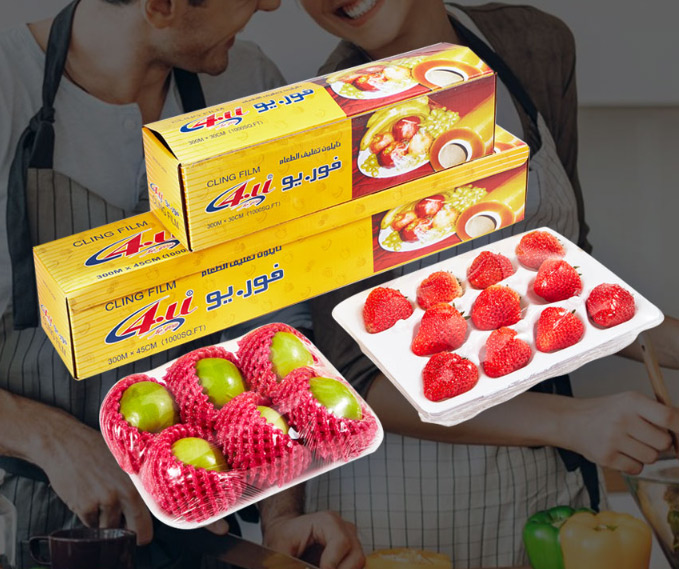
1. PE (Polyethylene) Film
PE film is the most widely used packaging film due to its flexibility, stretchability, and cost-effectiveness. It is suitable for light to medium loads and is commonly used in both manual and automatic wrapping systems.
Applications:
Food Packaging: Fruits, vegetables, bakery products, and fresh food items. View PE Film Products
Industrial Packaging: Small parts, lightweight machinery components, and consumer goods.
Logistics: Stabilizing pallets for short-distance transport.
2. PP (Polypropylene) Film
PP film is stronger and more rigid than PE film, making it ideal for heavy loads or export shipments. It has higher puncture resistance and recovery strength, which reduces the risk of load shifting and product damage.
Applications:
Heavy Machinery Parts: Motors, pumps, and automotive components. View PP Film Products
High-Volume Pallets: Suitable for large warehouses and international shipping.
Industrial Goods: Metal products, construction materials, and electronics requiring strong protection.
3. Stretch Film
Stretch film is a versatile solution that combines elasticity and strength, making it ideal for pallet stabilization and automated wrapping lines. It ensures even pressure distribution and secures items without causing damage.
Applications:
Pallet Wrapping: All types of goods requiring transport stability, including food, beverage, electronics, and household items. View Stretch Film Products
Export Packaging: Heavy and mixed pallet loads for long-distance shipping.
Industrial Automation: Automated wrapping machines in factories and logistics centers.
Comparison Table: PE vs PP vs Stretch Film
| Film Type | Best For | Load Type | Recommended Application |
|---|---|---|---|
| PE Film | Light to medium goods | Fragile or soft items | Food packaging, small industrial parts |
| PP Film | Heavy or export goods | Dense and heavy pallets | Automotive, machinery, electronics |
| Stretch Film | All palletized loads | Mixed or irregular items | Automated pallet wrapping, logistics transport |
FAQ: Choosing the Right Packaging Film
Q1: Can PE film be used for heavy pallets?
A1: PE film is best for light to medium loads. For heavy pallets, PP film or reinforced stretch film is recommended.
Q2: Is stretch film suitable for automated packaging lines?
A2: Yes, stretch film is specifically designed for use with automated wrapping machines, providing uniform tension and stability.
Q3: Can I use PP film for food packaging?
A3: PP film is generally used for industrial and export packaging. For food products, PE film is safer and more flexible.
Q4: Are these films recyclable?
A4: Yes, both PE and PP films are recyclable, and eco-friendly options are available for sustainable packaging.
Q5: How do I choose between PE and PP film?
A5: Consider product weight, pallet size, transport distance, and protection requirements. PE is cost-effective for light loads, while PP is better for heavy or export shipments.
Conclusion
Selecting the right packaging film is crucial for product protection, operational efficiency, and cost control. PE film is ideal for lightweight products and food packaging, PP film is suited for heavy loads and export shipments, and stretch film is a versatile choice for automated pallet wrapping and logistics operations. Browse our full range of films to find the best solution for your packaging needs.
