
We are committed to food packaging PVC cling film, PE cling film,stretch wrap, aluminum foil and other disposal food packing film/foil.

Language
>
We are committed to food packaging PVC cling film, PE cling film,stretch wrap, aluminum foil and other disposal food packing film/foil.
Supermarkets increasingly rely on advanced packaging solutions to extend the freshness of perishable foods. Among them, anti‑fog PVC cling film plays a critical role in reducing food waste, improving shelf presentation, and increasing consumer satisfaction. This guide explains how supermarket buyers, fresh food category managers, and importers can select, evaluate, and implement high‑performance cling film solutions.
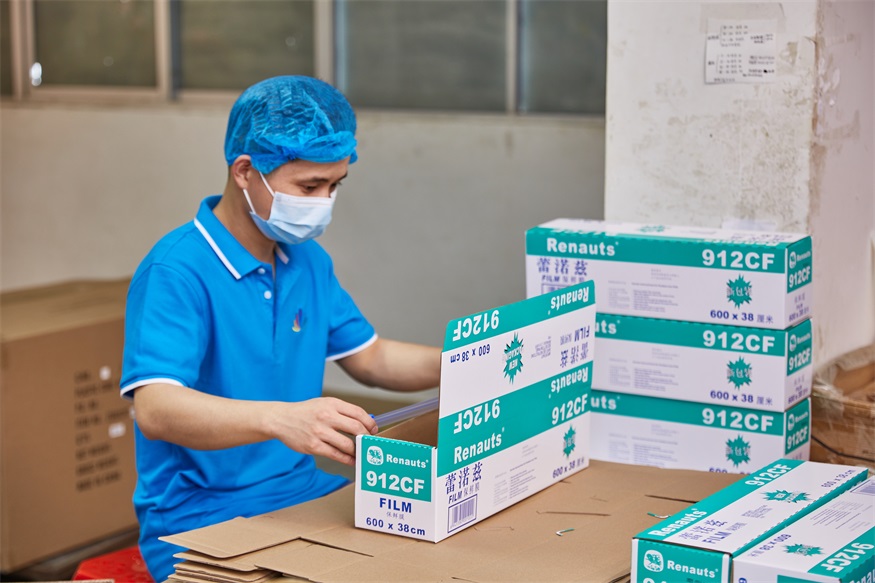
In refrigerated display cases, fresh meat, produce, and seafood constantly release moisture. Without anti‑fog capabilities, standard films form micro‑droplets that blur package transparency, reducing visual appeal and leading to early disposal by consumers. Research shows that consumer perception heavily influences purchase behavior — when food does not look fresh, even if it is still safe, it often goes unsold and ends up as waste.
According to industry data, packaging with anti‑fog performance can reduce visible condensation, maintaining clearer packaging surfaces and improving freshness perception. Platforms like FDA Food Safety Standards emphasize the importance of clear product display in food contact materials, further reinforcing the value of optimized cling film solutions in retail contexts.
Before committing to full volumes, supermarkets often start with limited trial orders of cling film to evaluate real‑world performance. Associates select a range of items (fresh chicken, beef, seafood, produce) and wrap them using different specifications of PVC cling film.
During a typical 5‑day test period, staff monitor:
Moisture formation
Film clarity on packaging
Consumer feedback compared to non‑anti‑fog films
This practical assessment helps identify products that best maintain visibility and reduce class‑A mark‑downs due to poor presentation.
Product evaluation goes beyond appearance. Supermarkets need films that satisfy food contact compliance requirements. In many regions, this includes:
FDA food contact certification (USA)
LFGB compliance (Europe)
Local safety mandates
Reputable manufacturers provide test reports and documentation on request. Requesting formal certificates during the supplier selection stage ensures regulatory alignment and helps avoid compliance issues during audits.
Experienced procurement professionals calculate the total cost of ownership rather than simply focusing on the lowest price per roll. They consider:
Film yield per kilogram
Reduced class‑A markdowns from improved display
Lower waste and spoilage over time
Operational advantages in manual and automatic wrapping lines
This cost‑per‑use calculation often shows that premium anti‑fog PVC cling film delivers superior long‑term value for supermarkets operating high‑volume fresh food displays.
Product presentation directly impacts sales. When cling film remains completely transparent and free of moisture blur, visual appeal increases, encouraging customers to choose those items over competitors. Some supermarkets report up to a 15% reduction in product returns and early markdowns when switching to high‑performance anti‑fog films.
Moreover, clear packaging builds trust. Fresh foods displayed behind lenses or blurred surfaces are often perceived as older or less safe, regardless of actual product condition. Optimized anti‑fog cling film allows meat, poultry, and produce to show vibrant color and texture — elements that directly influence purchasing decisions.
When selecting cling film suppliers, buyers should request:
1) Verified Food‑Contact CertificationProducts must comply with FDA, LFGB, or regional equivalents. Always request formal test reports and batch traceability documents.
2) Consistency in Film Clarity
Test multiple rolls to verify that high transparency is maintained across production batches.
3) Supplier Export Experience
Choosing a manufacturer like DS Cling Film Official Site ensures stable supply chains and OEM support for large‑scale supermarket requirements.
4) Operational Compatibility
Film must perform reliably under manual wrapping and automated packaging lines without tearing or deformation.Many distributors fall into these traps:
– Choosing solely on lowest price without quality verification.
– Ignoring real‑world anti‑fog performance testing.
– Accepting supplier claims without FDA/LFGB documentation.
– Neglecting long‑term supply stability.
Professional buyers always build a supplier evaluation matrix that incorporates quality, compliance, delivery reliability, and warranty support before final purchase decisions.
Q: What makes anti‑fog PVC film better for supermarkets?
A: High anti‑fog performance ensures clear retail presentation, reduces early markdowns, and improves customer perception — key drivers for fresh food purchases.
Q: Can anti‑fog cling film reduce food waste?
A: Yes — by improving visual appeal and handling moisture more effectively, products remain sellable for longer periods.
Q: What certifications should supermarkets request?
A: FDA for USA, LFGB for Europe, and regional food contact compliance documents depending on market.
Q: How should supermarkets evaluate film performance?
A: Conduct small batch trials across multiple product types and display conditions over at least one fresh food cycle.
Anti‑fog PVC cling film is not just a packaging material — it is a strategic tool for supermarkets, importers, and food retailers seeking to reduce waste and improve customer experience. By focusing on real‑world performance, regulatory compliance, and total cost‑of‑use, buyers can make informed, long‑term investments that benefit both operational efficiency and bottom‑line profitability.
DS Cling Film offers FDA & LFGB compliant PVC cling film solutions optimized for supermarket fresh food packaging. Whether you need trial samples, OEM customization, or bulk supply, our team is ready to assist.
Request a Free Quote
We focus on overseas markets and major exports to different countries, selling well in Europe, America, the Middle East, Southeast Asia, etc.
Contact
No. 242 Shangjia Fenxi Road,Wanjiang District, Dongguan city, Guangdong Province ,China
Email:
Phone:
+86 18938161161