
We are committed to food packaging PVC cling film, PE cling film,stretch wrap, aluminum foil and other disposal food packing film/foil.

Language
>
We are committed to food packaging PVC cling film, PE cling film,stretch wrap, aluminum foil and other disposal food packing film/foil.
PVC Cling Film is widely used in commercial kitchens for food storage, ingredient preparation, and short-term food protection. Its flexibility, transparency, and ability to adhere to smooth surfaces make it a practical packaging material for restaurants, hotels, catering companies, and food processing facilities.
Unlike rigid food containers, PVC cling film can wrap around different shapes and sizes, helping kitchen staff protect food while keeping ingredients visible and accessible.
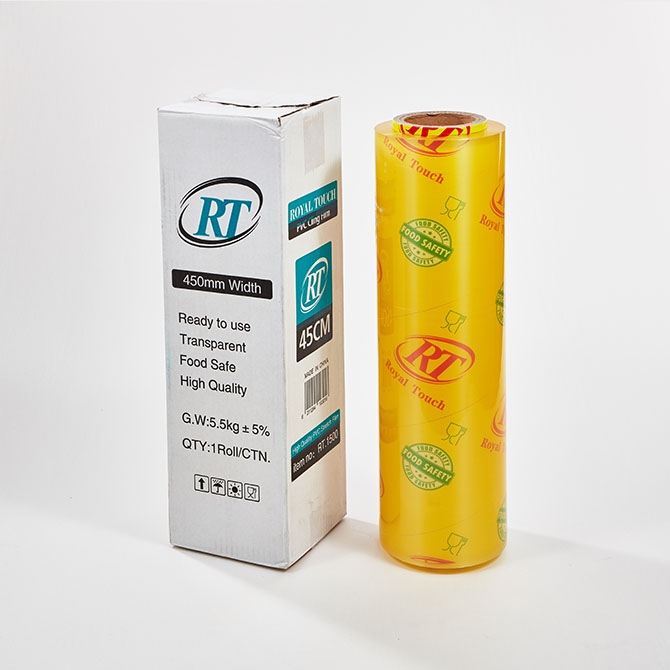
Commercial kitchens use PVC cling film for several everyday food-handling tasks.
Food Storage and Preservation
One of the most common applications is covering prepared food and leftover ingredients. For example, restaurants often use cling film to cover bowls of chopped vegetables, cooked meat, sauces, and other ingredients before placing them in refrigerators.
The film helps reduce direct exposure to air and external contaminants, while limiting moisture loss and surface drying.
Covering Prepared Ingredients
During busy kitchen operations, ingredients are often prepared in advance. PVC cling film can cover sliced fruits, vegetables, cheese, and other ready-to-use ingredients.
Its transparent surface allows kitchen staff to identify the contents without removing the covering.
Wrapping Fresh Produce
Restaurants and catering kitchens frequently use cling film to wrap cut melons, cucumbers, tomatoes, and other fresh produce. This helps protect exposed surfaces from contamination and slows moisture loss during refrigerated storage.
Food Preparation and Marination
PVC cling film is also useful when marinating meat or preparing ingredients ahead of cooking. Covering a container helps prevent spills and reduces contact with other items in the refrigerator.
However, the film must be suitable for the specific food type and storage temperature, especially when used with fatty or oily ingredients.
PVC cling film remains a popular choice because it offers several practical advantages in daily food preparation.
PVC film can adhere to many smooth surfaces, including glass bowls, stainless steel containers, and certain food packaging materials. This makes it easier for kitchen workers to cover containers without additional fasteners.
Its clear appearance allows staff to check food contents quickly. In commercial kitchens where multiple ingredients are stored together, this can simplify food identification and reduce unnecessary handling.
PVC cling film can be cut and wrapped around different food shapes. Whether covering a small bowl of sauce or wrapping a larger portion of fresh produce, it adapts to different kitchen requirements.
By reducing exposure to air and moisture loss, cling film can help maintain the appearance and texture of certain foods during refrigerated storage.
However, it does not replace proper refrigeration, food hygiene procedures, or temperature control.
PVC cling film can be suitable for food contact when it complies with the relevant food-contact regulations and is used according to the manufacturer's instructions.
Commercial kitchens should pay attention to three factors:
Food compatibility: Check whether the film is approved for contact with the specific food, particularly fatty or oily products.
Temperature limits: Follow the recommended temperature range. Not all PVC films are suitable for microwave heating or high-temperature applications.
Storage conditions: Use appropriate refrigeration and avoid relying on cling film as a substitute for food safety controls.
For example, a restaurant storing freshly cut vegetables in a refrigerator should select food-grade PVC cling film designed for refrigerated food storage.
PVC cling film is commonly used in refrigerators for covering prepared ingredients, leftovers, and fresh produce.
Its performance in freezers depends on the film formulation and manufacturer's specifications.
For frozen meat, seafood, or other products, kitchens should select film specifically rated for freezing temperatures. Ordinary PVC cling film may become less flexible under low-temperature conditions and may not provide the desired wrapping performance.
For example, a catering business preparing meat portions in advance should confirm the film's low-temperature resistance before using it for frozen storage.
Choosing the right PVC cling film depends on food types, storage conditions, and daily kitchen operations.
Consider the following factors:
Selection Factor | What to Check |
|---|---|
Film Thickness | Match thickness to wrapping requirements and handling frequency |
Cling Performance | Ensure the film adheres properly to containers |
Transparency | Choose clear film for easy food identification |
Food Contact Safety | Confirm compliance with applicable food-contact standards |
Temperature Resistance | Check suitability for refrigeration or freezing |
Roll Size | Select widths and lengths suitable for kitchen equipment |
For restaurants with high daily consumption, roll length and dispenser compatibility are also important because they affect packaging efficiency and material usage.
PVC cling film plays an important role in commercial kitchens, particularly in food storage, ingredient preparation, produce wrapping, and short-term food protection. Its flexibility, transparency, and cling properties make it suitable for many everyday kitchen applications.
When selecting PVC cling film for commercial use, businesses should consider food compatibility, film thickness, temperature resistance, and applicable food-contact requirements to ensure the material meets their operational needs.
Previous: No
Next: How Should PVC Cling Film Be Stored to Maintain Its Quality?

We focus on overseas markets and major exports to different countries, selling well in Europe, America, the Middle East, Southeast Asia, etc.
Contact
No. 242 Shangjia Fenxi Road,Wanjiang District, Dongguan city, Guangdong Province ,China
Email:
Phone:
+86 18938161161