
We are committed to food packaging PVC cling film, PE cling film,stretch wrap, aluminum foil and other disposal food packing film/foil.

Language
>
We are committed to food packaging PVC cling film, PE cling film,stretch wrap, aluminum foil and other disposal food packing film/foil.
PVC Cling Film should be stored in a cool, dry, and well-ventilated environment to maintain its flexibility, transparency, and adhesion. Avoid direct sunlight, high temperatures, excessive humidity, and contact with sharp objects or chemicals. Keeping the film in its original packaging and storing it away from heat sources can help prevent premature aging, deformation, and surface contamination.
Proper storage is particularly important for manufacturers, distributors, and food packaging businesses that purchase PVC cling film in bulk.
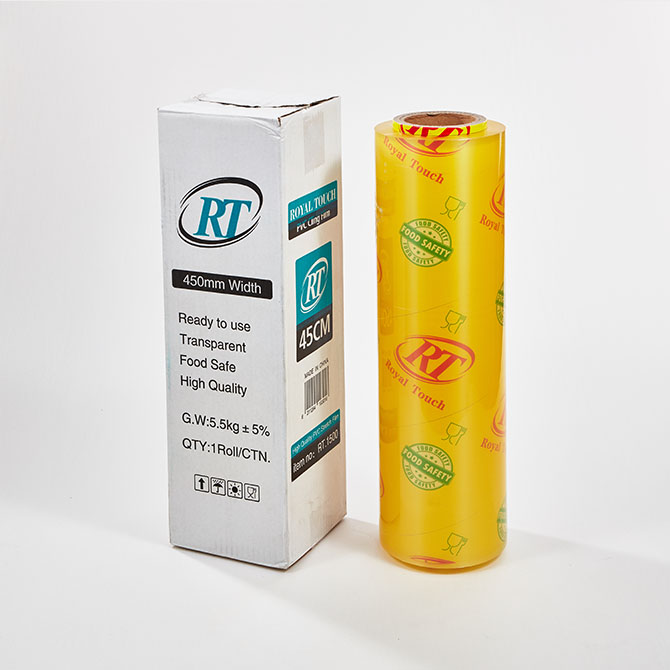
Several factors can affect the quality of PVC cling film during storage.
Temperature: Keep the film in a stable, moderate-temperature environment. Avoid placing it near heaters, ovens, or other heat sources.
Humidity: Store it in a dry area to reduce the risk of moisture affecting the packaging and cardboard cores.
Light Exposure: Keep PVC cling film away from direct sunlight and strong UV exposure, which may contribute to material aging.
Packaging: Retain the original protective packaging until the film is ready for use. This helps prevent dust, scratches, and contamination.
Storage Position: Place rolls on suitable shelves or pallets and avoid excessive stacking pressure that could deform the rolls.
For example, a food packaging distributor storing several cartons of PVC cling film should keep them in a clean warehouse, away from windows and temperature fluctuations. This helps maintain consistent product conditions before delivery.
PVC cling film is valued for its transparency, flexibility, and ability to adhere to food containers and other surfaces. However, unsuitable storage conditions may affect these properties.
Preventing Material Aging
Prolonged exposure to heat and sunlight can accelerate material degradation. In some cases, the film may become less flexible or develop discoloration.
Maintaining Adhesion
PVC cling film needs suitable surface adhesion to wrap food and containers effectively. Dust, oil, and other contaminants can interfere with its contact performance.
Reducing Physical Damage
Improper stacking or handling may cause wrinkles, flattened edges, or damaged rolls, making the film more difficult to unwind and use.
High temperatures are not recommended for long-term PVC cling film storage.
Heat may affect the film's flexibility and dimensional stability, particularly when rolls are exposed to direct sunlight or stored near industrial equipment.
For example, placing cartons of PVC cling film inside an unventilated warehouse during hot weather may expose the material to prolonged heat. Moving the cartons to a shaded, temperature-controlled storage area can help reduce this risk.
For the best results, follow the manufacturer's recommended storage temperature rather than relying on a universal temperature limit.
The storage life of PVC cling film depends on its formulation, manufacturing quality, packaging, and environmental conditions.
There is no single shelf-life period that applies to every PVC cling film product. Manufacturers may provide different recommendations based on material composition and intended applications.
Businesses purchasing PVC cling film in bulk should consider these practices:
Check the production date and recommended shelf life.
Use the first-in, first-out (FIFO) inventory method.
Keep unused rolls in their original packaging.
Inspect older inventory for discoloration, unusual odors, or changes in flexibility and adhesion.
For instance, a distributor receiving multiple batches each month can label cartons by production date and prioritize older stock for shipment.
Before using stored PVC cling film, check its physical condition and wrapping performance.
Inspection Item | Possible Quality Issue |
|---|---|
Transparency | Yellowing or unusual cloudiness |
Flexibility | Film feels stiff or brittle |
Adhesion | Reduced ability to stick to surfaces |
Surface | Dust, oil, or visible contamination |
Unwinding | Excessive sticking, wrinkles, or tearing |
If the film shows significant changes in appearance or performance, contact the supplier for further evaluation, especially when it is intended for food packaging.
Proper storage plays an important role in maintaining the quality of PVC cling film. Keeping it away from excessive heat, direct sunlight, moisture, and physical pressure can help preserve its flexibility, transparency, and adhesion.
For businesses purchasing PVC cling film in bulk, choosing suitable warehouse conditions and implementing FIFO inventory management are practical ways to reduce material waste and maintain consistent packaging performance.

We focus on overseas markets and major exports to different countries, selling well in Europe, America, the Middle East, Southeast Asia, etc.
Contact
No. 242 Shangjia Fenxi Road,Wanjiang District, Dongguan city, Guangdong Province ,China
Email:
Phone:
+86 18938161161